The online portal has brought visibility and new expertise to local radio stations, say managing editors in Uganda and Tanzania. Local radio stations report on rural issues, but not many dare to delve too deeply into political criticism.
With support from Vikes, local radio stations in rural Tanzania and Uganda have launched their own portals. Listeners can now tune in to the stations’ broadcasts online, and the stations also publish text-based articles with photos on their websites.
The Tanzanian portal includes 47 radio channels from different parts of the country and the Ugandian portal 26 channels. In total, 73 rural radio stations have been brought online with Vikes' support. This has been helpful in many ways, say the portals' editorial managers.
"Local radio stations only reach a small area with traditional transmitters, and with the portal they become global," says Hilali Ruhundwa from Tanzania.
The mainstream media leaves a lot of stories untold," adds Peace Acom from Uganda. "Community radio stations delve deep into village life and allow local journalists to shine through social media as well."
Both program directors say that local radio stations are widely listened to online. The audience includes former villagers who have moved to cities or abroad, as well as city decision-makers and various NGOs who want to keep track of what is happening in rural areas. Advertisers, on the other hand, can verify that their ads are being aired on the radio as agreed.
“In the past, for example, development organizations would ask how they could monitor advertising. Now it’s easy, and they can listen to the radio stations themselves,” says Ruhundwa.
In both countries, the use, benefits, and challenges of the portals have been monitored. In Uganda, 84 percent of the stations reported that, thanks to the visibility and reach provided by the portal, their own fundraising has clearly improved during 2025.
Local topics
Typically, local radio stations cover stories from the surrounding areas.
"Radioissa käsitellään esimerkiksi politiikkaa, taloutta ja ilmastonmuutosta", Ruhundwa sanoo.
“Agriculture, education, healthcare, and equality,” lists Acom.
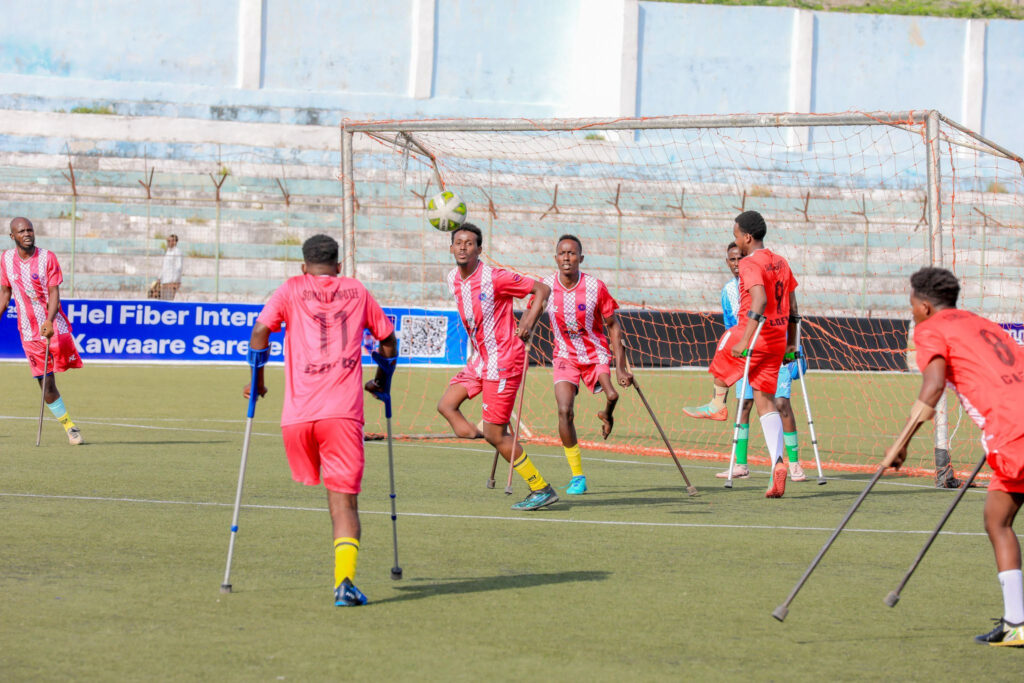
Recently, there has been a particularly high volume of stories in Tanzania about disability, and in Uganda about climate change. The editors-in-chief of the portals oversee the technical quality of the stories published online, from spelling and grammar to image quality, captions, and accessibility.
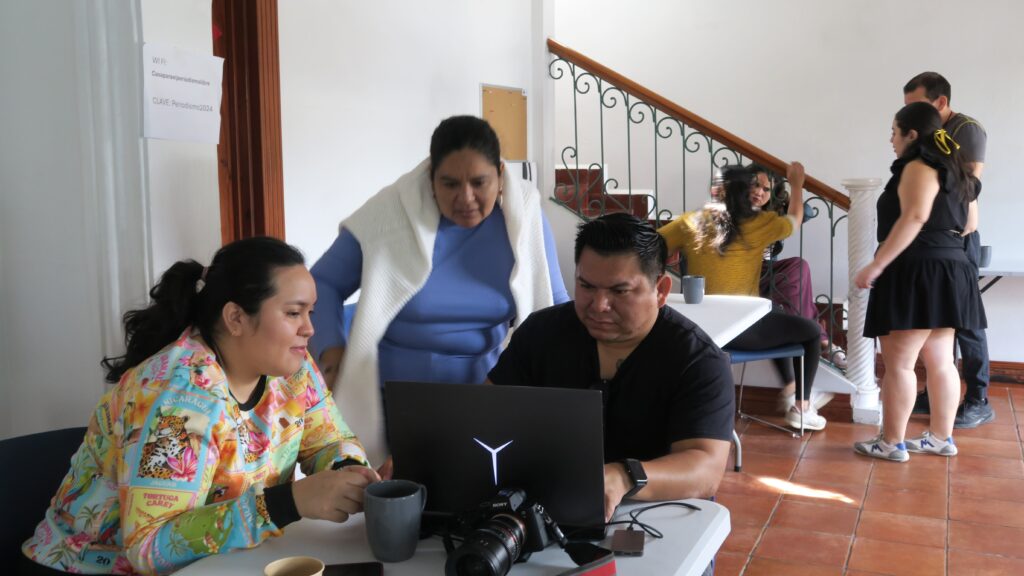
“We also train a lot of local reporters,” Ruhundwa says.
Typically, local radio reporters are residents of their own villages. Many do not have extensive training in journalism, and they benefit greatly from the short courses offered by Vikes' project. In Tanzania, educational qualifications can sometimes be a problem, as the country’s new media laws require journalists to have at least a college-level degree in journalism.
In Uganda, there is no such educational requirement. Peace Acom says that Ugandan local journalists are very passionate reporters.
“They have a good sense of newsworthiness, and often the stories need only light editing,” she says.
In both countries, the challenge is often the weak financial situation of small radio stations. Journalists largely rely on small story fees or work entirely on a volunteer basis.
“At many radio stations, some of the employees are interns, and staff turnover is high anyway,” says Peace Acom. This creates a constant need for training, because just when you’ve trained one portal manager, they might move on to another job.
You have to be careful with critique
According to editors-in-chief, freedom of the press is restricted in both Uganda and Tanzania. Elections were held in Tanzania in October and in Uganda in January, and writing about politics is particularly risky during election periods.
“Covering those in power is always risky,” says Hilali Ruhundwa. “Criticizing political leaders and businesspeople can get you into trouble.''
It is not always clear where the line is when it comes to sensitive topics. Peace Acom recalls, for example, a case in which a local radio reporter had done a story on working conditions at a certain hospital. The story ultimately had to be removed from the internet because criticism of the hospital’s conditions was interpreted as indirect criticism of the government.
People in rural areas are often happy to talk to reporters. In this regard, the neighboring countries differ slightly: In Tanzania, many rural residents do not want to talk to journalists about political issues, whereas in Uganda, people speak openly, for example about poor services, even if it means criticizing decision-makers.
“But here, local officials aren’t necessarily willing to give interviews because they’re afraid to lose their jobs,” says Peace Acom.
If you want to travel to Tanzania or Uganda from abroad—say, from Finland—to cover stories, both editors-in-chief emphasize the importance of having a local collaborative partner.
“It’s a good idea to partner with a local journalist, preferably from the area you’re visiting,” says Hilali Ruhundwa.
“It’s definitely worth traveling outside the cities,” Peace Acom advises. “City dwellers may be more wary of foreigners, but in rural areas, people are really happy to talk if a local reporter introduces the visitors first.”
Hopes for the future portal
The radio portals originally built in Finland in 2020 are gradually reaching the end of their technical service life. Upgrading the portals and developing a mobile app are on the agenda of Vikes’ 2026–2029 development cooperation program.
From an editor’s perspective, Peace Acom would like to see more required fields added to the renewed portal. Her work would be made easier if, for example, radio stations were required to write captions and alt text for their images.
“In terms of content, I’d like to see more stories by female journalists,” she says. “Perhaps we could attract them with special training programs.”
Hilali Ruhundwa dreams of setting up a journalism competition for local radio stations.
“It would help motivate journalists,” he muses. “After all, people want recognition.”
Text and cover photo: Esa Salminen