In 2025, more than 500 journalists participated in the training sessions organized by Vikes’ “Women in the Media” project. The 220 articles produced as part of the project covered topics such as issues affecting women, politics, and corruption.
In Tanzania, Uganda, and Nepal, women’s position in society remains vulnerable. Promoting gender equality requires long-term efforts, particularly in the media sector, where women’s voices have traditionally been underrepresented.
Since 2019, Vikes' ''Women in the Media'' project has organized training sessions for female journalists, supported content produced by female journalists, and sought in various ways to advance the status of women in the media industry.
More than 500 journalists participated in training sessions promoting gender equality
In 2025, the Ugandan Women Journalists Association UMWA joined Vikes as a project partner, and the number of training sessions conducted under the project increased significantly compared to previous years.
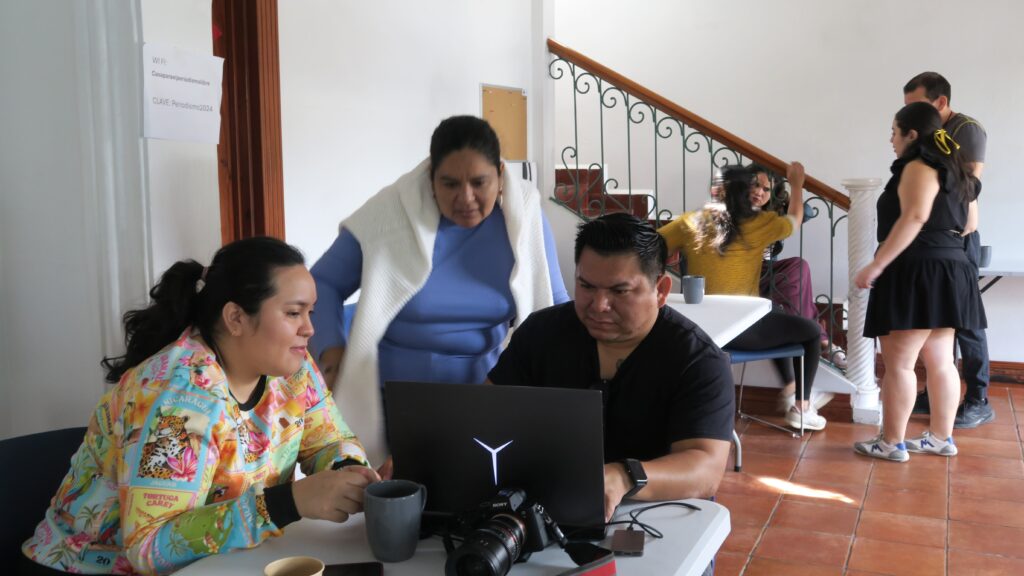
Vikes’ partners in Tanzania, Uganda, and Nepal organized a total of 26 training sessions during the year. Some of the sessions were aimed exclusively at female journalists, while others were open to all journalists.
A total of 502 journalists participated in the project’s training sessions, 93 of whom were editors-in-chief, media executives, and other gatekeepers.
In Uganda, 17 training sessions were held on topics including more equal media reporting, election coverage, and addressing safety risks for journalists during the elections. A total of 286 journalists participated in the training sessions, 59 percent of whom were women.
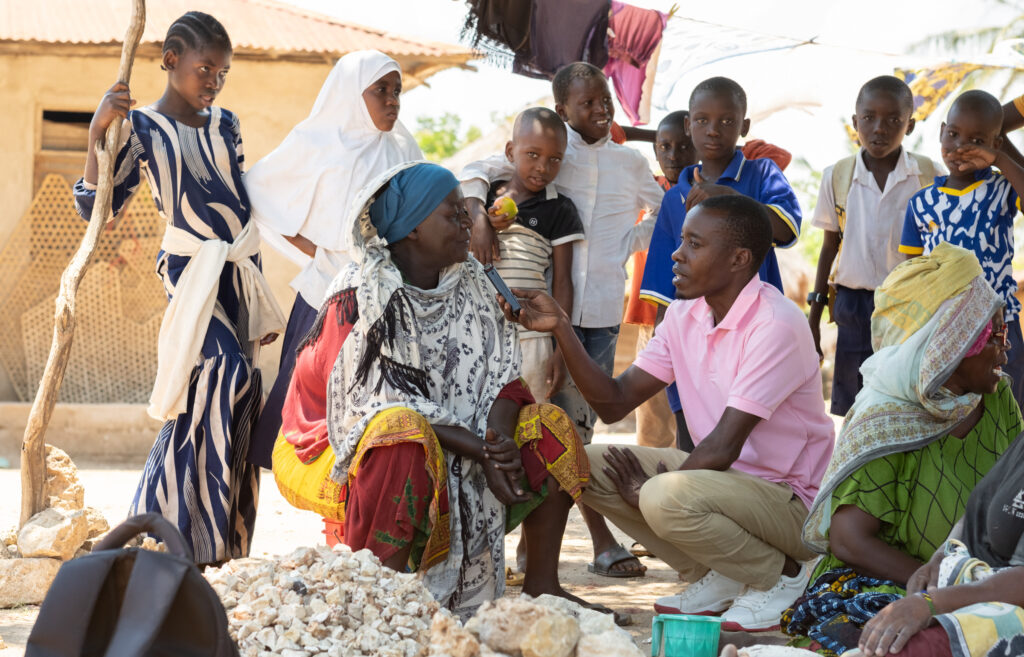
In Tanzania, 134 journalists participated in training sessions organized by Vike’s partners. Training sessions on digital safety, media management, and leadership were organized for female journalists, and training on producing higher-quality and more equal radio content was provided for journalists at rural community radio stations.
In addition, female journalists received mentoring on how to cover social issues, and media gatekeepers participated in training on gender-equal reporting.
Training sessions on investigative journalism were held in Nepal, focusing on corruption, kleptocracy, and the climate crisis. In addition, female journalists were offered mentoring support for producing investigative stories. A total of 82 journalists participated in the training sessions in Nepal.
Content creation on topics important to women and corruption
With Vikes’ support, a total of 220 programs and articles were produced. In Tanzania, 129 newspaper or online articles, videos, and radio programs were published; in Uganda, 84 radio programs were produced; and in Nepal, seven investigative reports were published in the country’s mainstream media.
Many programs and articles addressed gender inequality or violence and harassment against women. Other topics included children’s rights and child protection, parenting, mental health issues, maternal health, and menstrual hygiene.
In Tanzania, community radio journalists produced radio programs about women who ran for office in the elections and the challenges they faced.
In Nepal, investigative reports produced by female journalists from CIJ Nepal covered corruption scandals, failed development projects, the difficulties faced by Nepali migrants imprisoned abroad in obtaining legal aid, and the social impact of last fall’s Generation Z uprising in Nepal.
The articles and programs produced with Vikes’ support reached a total of approximately seven million people in three countries.
Gender equality efforts were also extended to the workplace
In Tanzania and Uganda, Vikes’ partners also visited workplaces to discuss the promotion of gender equality in both media reporting and human resources management.
In Tanzania, the Media Council of Tanzania, MCT, worked on gender equality initiatives with more than 20 media organizations. As a result of this collaboration, most of these media organizations have developed and implemented gender equality plans and guidelines for the prevention of sexual harassment.
Eight editorial offices have now also appointed equality officers or established separate teams dedicated to promoting equality, whose role is to ensure that equality issues are taken into account in all activities, from salary negotiations to content production. Equality officers also serve as impartial mediators in disputes and reported cases of harassment.
Text: Peik Johansson