My flight from Madrid to Costa Rica is delayed, which means I’ll also miss my connecting flight to San Salvador, the capital of El Salvador. I and a group of other passengers are directed to the airline counter, where we’re booked onto a new flight for the following day. Before that, we’re offered a night’s stay at a nearby hotel.
While waiting for the hotel shuttle, I have time to get to know the others who are stuck. My travel companions include Spanish and Romanian hydraulics experts who have sensed business opportunities in the Central American mining industry, as well as a Salvadoran woman who moved to Spain 12 years ago and hasn’t visited her home country since. For them, El Salvador is now a land of new opportunities.
The last time I traveled to El Salvador was about ten years ago. At that time, the country was ruled by violent gangs, and El Salvador—with a population roughly the size of Finland’s—was one of the most dangerous countries in the world. At its worst, there were dozens of murders a day. Even a foreign journalist had to be careful, but it was still possible to work there. Now the country is even more dangerous for journalists, at least if they plan to cover issues that are troublesome to the government.
There are plenty of those, even though gang violence has largely disappeared.
“It’s safe, sure, but not for everyone,” the driver who picks me up at the airport reminds me.
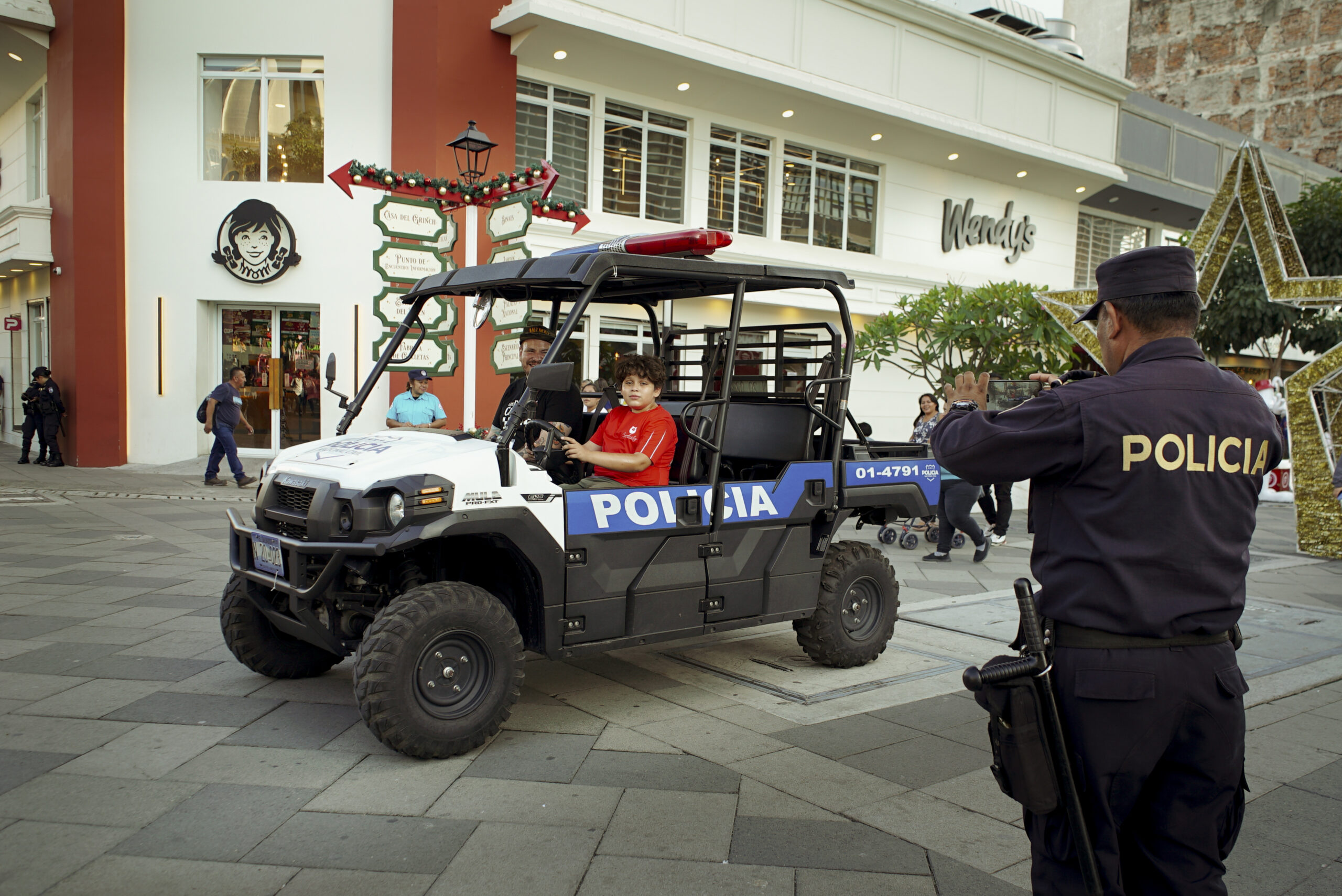
In the next lane, women are taking selfies on the bed of a pickup truck. There’s no need to hide the new iPhone, and bulletproof glass is no longer necessary.
For many years, the driver served as a trusted chauffeur for journalists and human rights activists. Now, most of his former clients are living in exile.
The driver points out that the prisons are filled primarily with poor people whose only “crime” was living in a former gang territory. His cousin was one of them. His cousin was taken to prison three years ago, and no one have heard anything about him since. A conviction for “aiding gangs” is one of the most common criminal charges in El Salvador.
The "Trump of Central America" saved El Salvador at the expense of human rights and environmental protection
This change has been brought about by Nayib Bukele, who became president at the age of just 37 and has governed the country since 2019. Initially presenting himself as a progressive, Bukele has cracked down on gang violence but has simultaneously dismantled the rule of law. By changing the law, Bukele has also secured his re-election.
Bukele rose to power by striking secret deals with criminal gangs over the years: first to become mayor of the capital in 2015, then president in 2019, and finally to seize legislative power in 2021, according to Oscar Martinez, editor-in-chief of the exiled newspaper El Faro.
Since 2022, El Salvador has been under a state of emergency, under which the police can arrest people without a warrant or any evidence. Suspects do not have the right to an independent lawyer, meaning that most of them end up in prison.
In the past, dead people were on the streets; today, they are in the prisons, where hundreds of inmates have perished under inhumane conditions.
El Salvador’s prisons hold an estimated 100,000 inmates, making the country’s prison population one of the highest in the world relative to its population. Some of the prisoners are held in the massive CECOT terrorist prison, whose conditions and torture have long been a concern for human rights organizations and the UN. People deported from the United States have also been sent there under bilateral agreements.
Thousands of children languish in El Salvador’s prisons. Furthermore, El Salvador is also a country where women can get a decades long sentence for having an abortion, a miscarriage, or the death of a child due to complications during childbirth.
As I check into the hotel and when I see the front door left open, I get a strong feeling of unease. My body remembers the fear I felt ten years ago.
“I’m happy to tell you that you’ve arrived in the safest country in Latin America,” the hotel clerk reminds me when he notices me looking at the open door.
I ask the hotel clerk what he thinks about the changes in his country and about President Bukele.
''Great, the man who saved us,” the clerk says.
Bukele, who is young and initially presented as progressive, is particularly well-versed in social media, through which he mainly speaks to the people. He is attracting investments by for example allowing mining, which was previously banned for environmental reasons.
Many call him the “Trump of Central America.”
According to statistics, about 80 percent of the population supports Bukele. And it is also worth saying it out loud. Simply criticizing the administration can lead to arrest. In practice, almost anything can. The state of emergency has taken away citizens' legal protection.
Mass trials and illegal arrests emptied entire neighborhoods
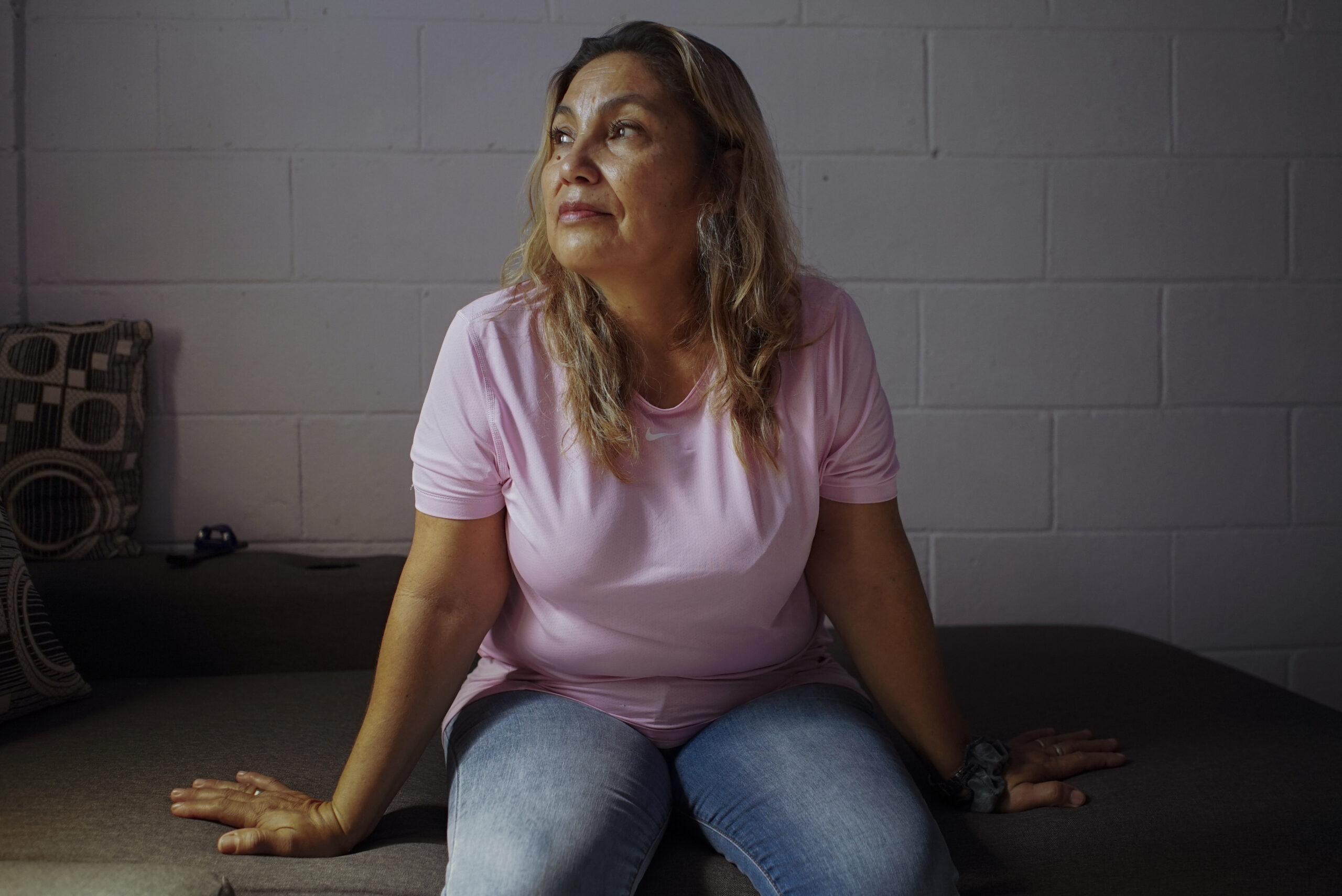
For the same reason, my acquaintance Blanca—whom I interviewed ten years ago for my non-fiction book on female prisoners in El Salvador—was also sent to prison again.
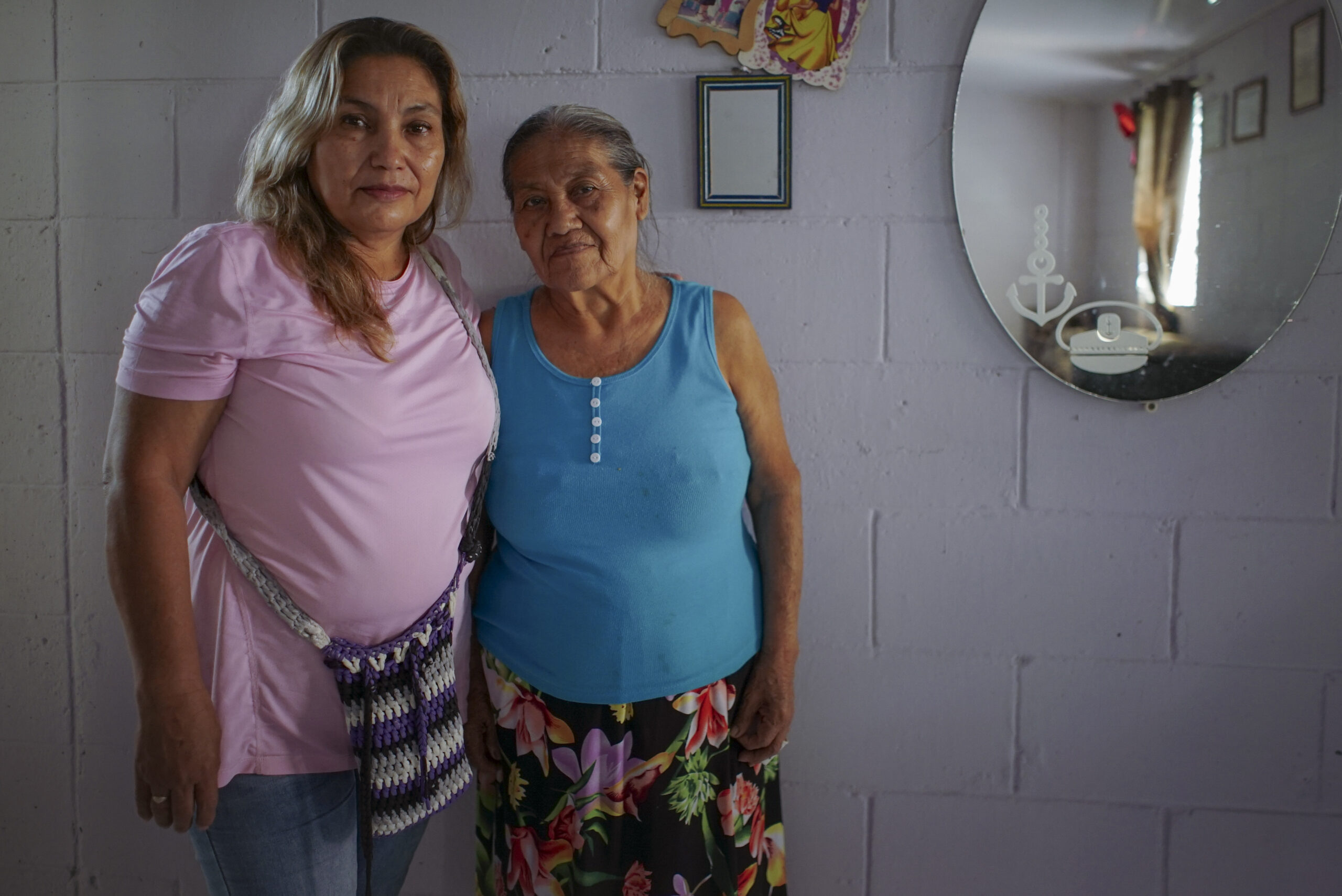
I've kept in touch with the women over the years, but Blanca is one of the few former interviewees who I get a reach of now. She invites me to her home in an area called Distrito Italia, where we had to ask permission from the gangs ten years ago to enter. The car windows were rolled down so that we would be identified and no one would shoot at the vehicle.
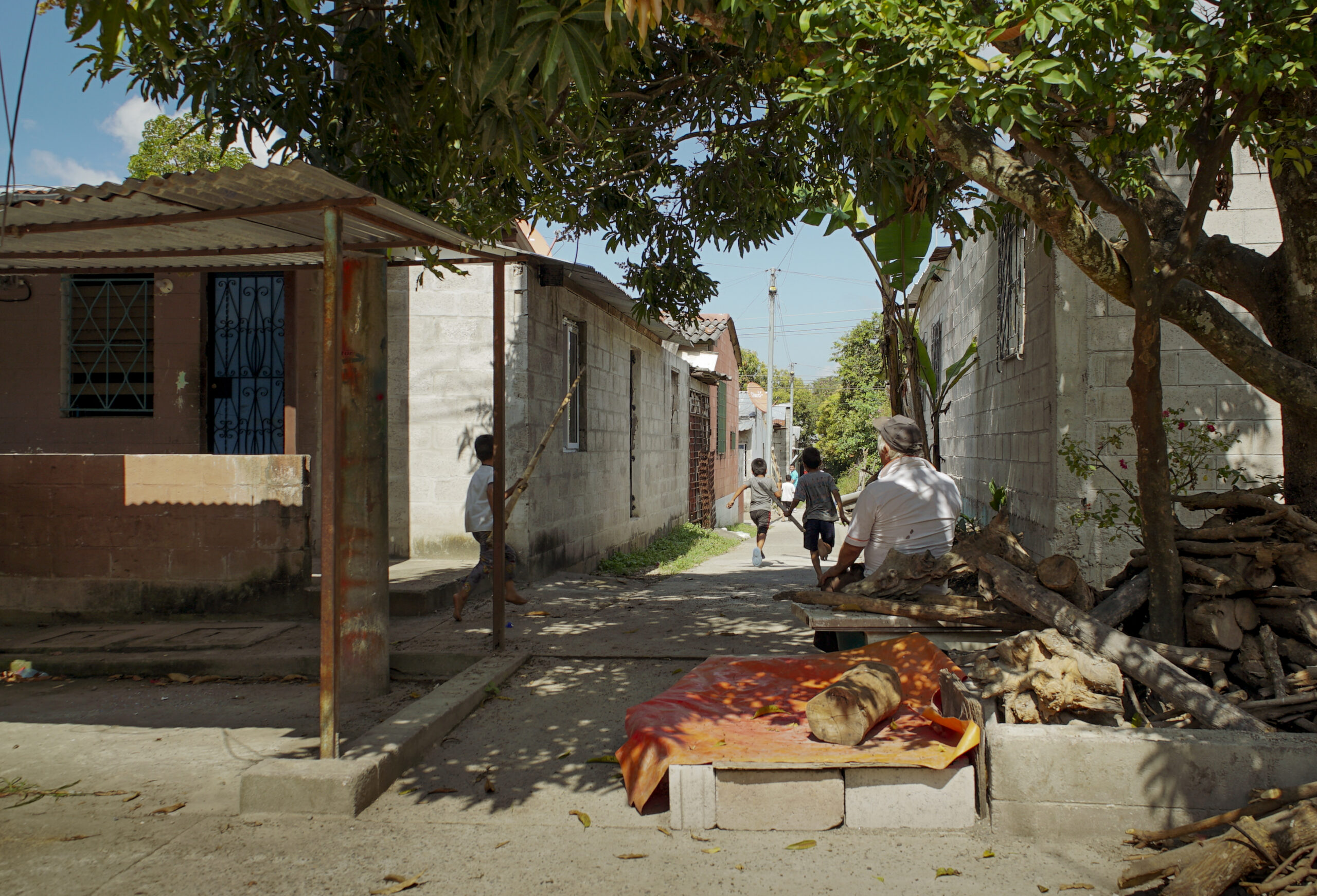
Now a new school has been built in the neighborhood, and children play on the paved streets. The streets are clean, and there’s no gang graffiti to be seen anywhere. New people have moved into the neighborhood, and housing prices have gone up. Many of the old residents are in prison.
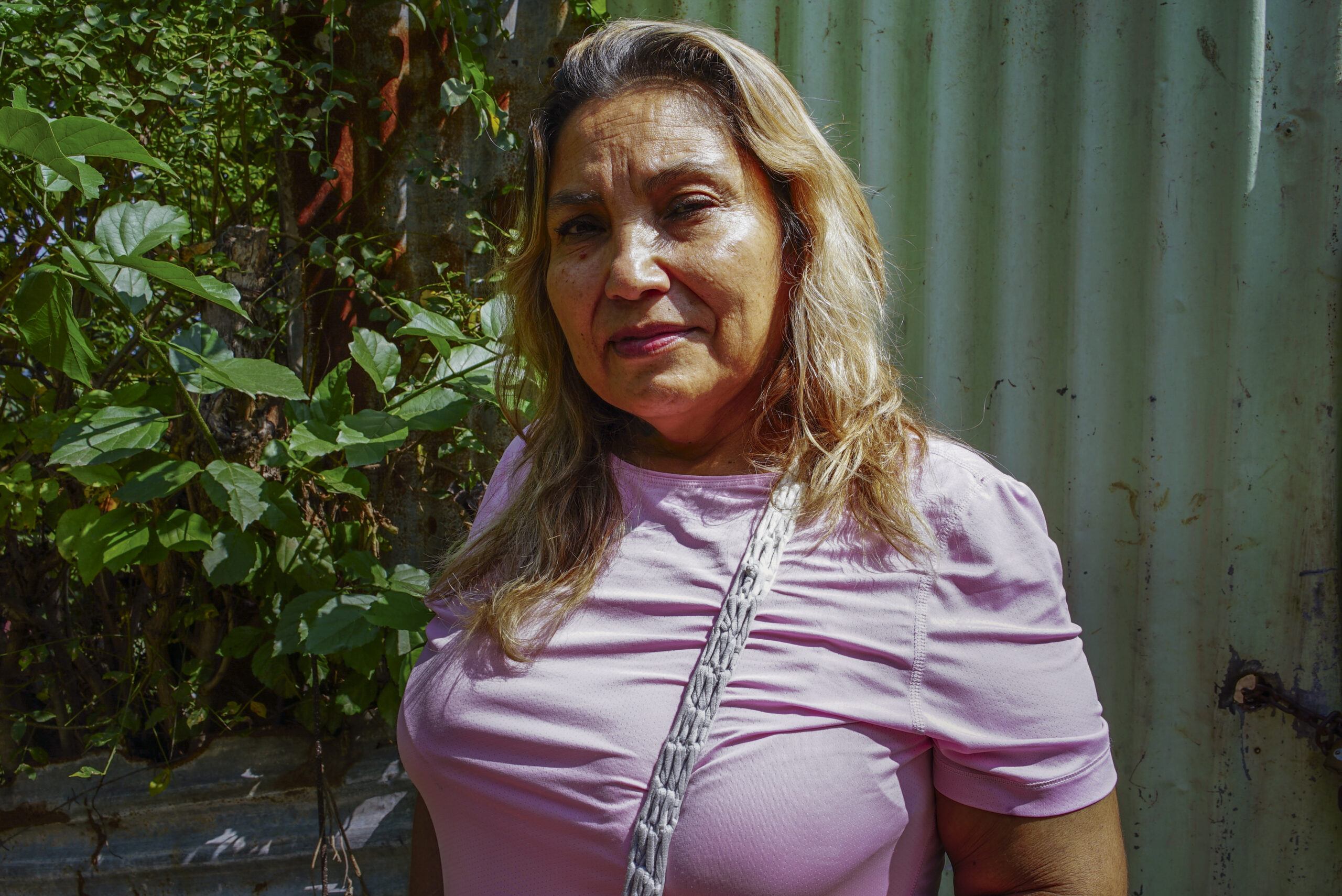
Blanca takes me to her small plot of land where she raises chickens. Then she tells me how three years ago the police knocked on her door, asked for her ID, and took her away. Although Blanca had been found not guilty and released from prison, she still had a criminal record.
That is why Blanca was sent to prison again, despite being innocent. Her imprisonment lasted eight months under even harsher conditions.
“We were given food that was almost inedible. The guards beat us and told us to get used to it because we wouldn’t be able to get out for years.”
Blanca says she saw five women die in prison. She is now free, but she is not allowed to leave the country. Every Friday she has to report to the authorities before the actual trial.
Trials are often conducted en masse, with the judge issuing the same verdict for everyone. Independent lawyers are not permitted. According to human rights organizations, torture and inhumane treatment are common in Salvadoran prisons.
Still, Blanca says she is grateful to the president for making the country safer. In the same breath, she points out that many innocent people have suffered.
El Salvador was not a model country for human rights before Bukele’s rule. The legacy of the civil war, corruption, and a culture of impunity plagued the impoverished nation. That is why, for many, the seemingly improved security situation is, at least for now, more important than upholding the rule of law.
El Salvador is like a perfect Instagram profile, where the state-sanctioned violence hides behind the happy faces
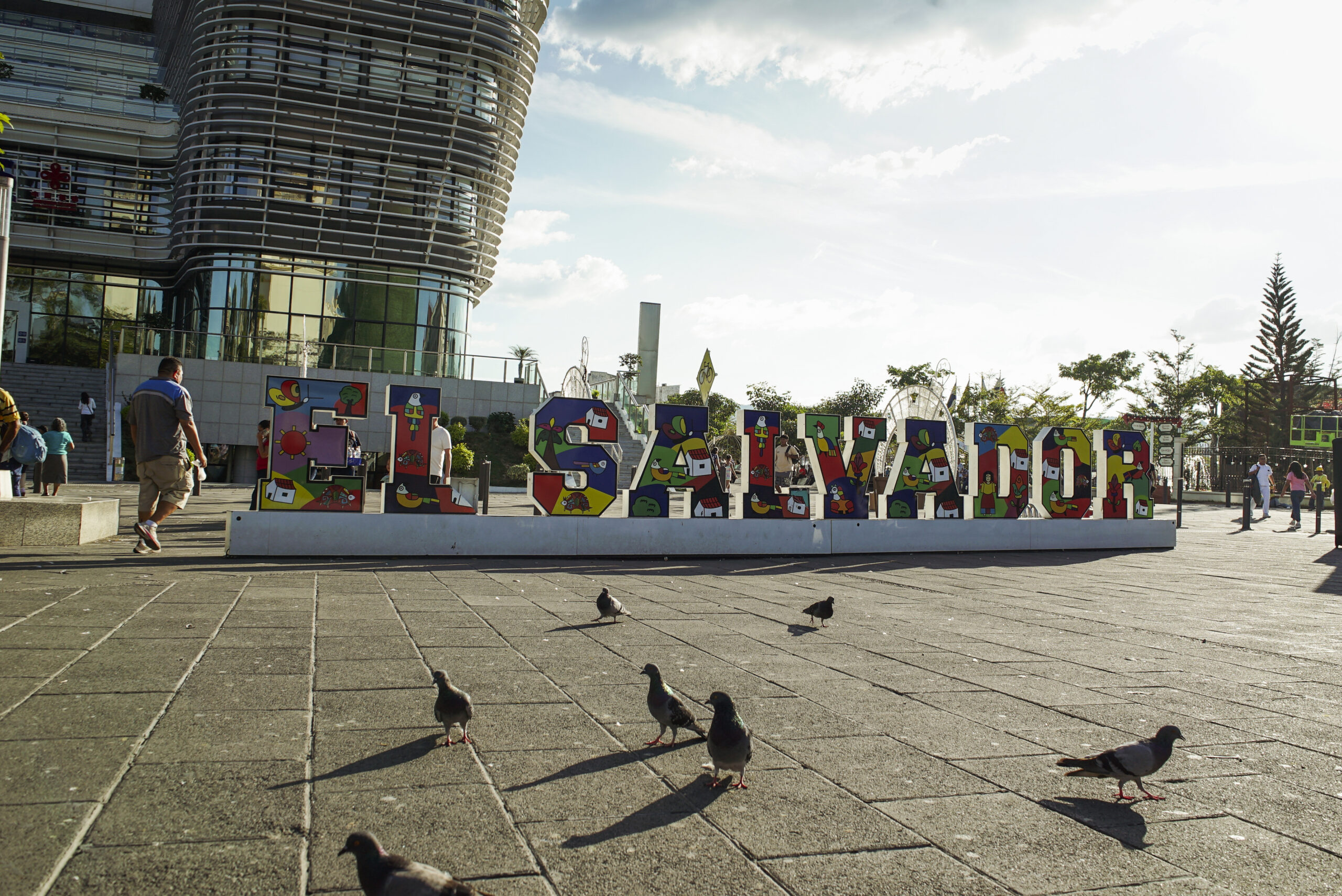
After meeting Blanca, I thought about the Salvadoran woman I met at the airport, who was happy to be returning to her transformed homeland. Perhaps she admires the renovated city center, whose new landmark is a massive national library built with Chinese money.
The library is open 24 hours a day, but you can’t borrow books. The lower floors are dedicated to video games and events. The actual library is located on the top floor, where I can walk around almost alone.
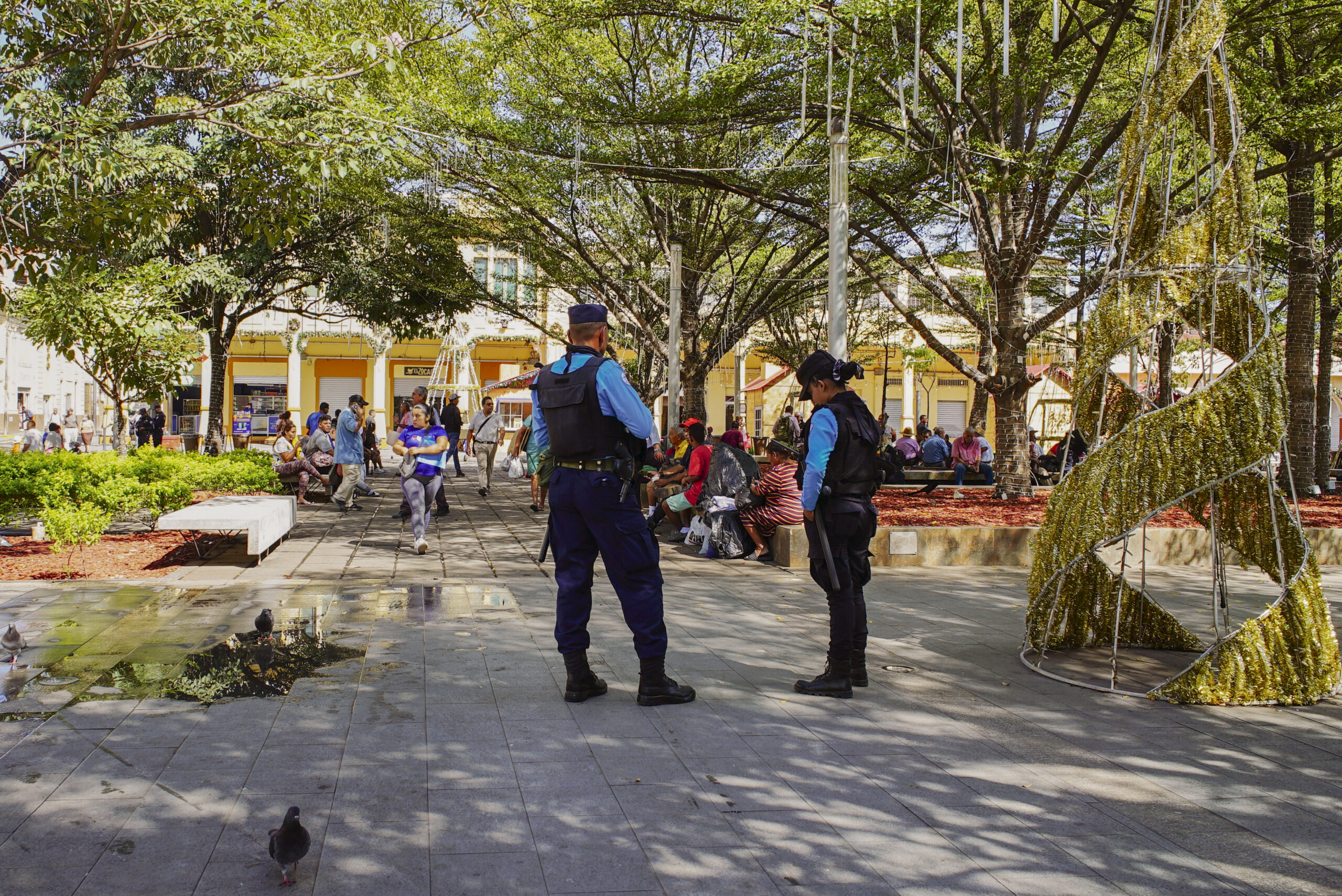
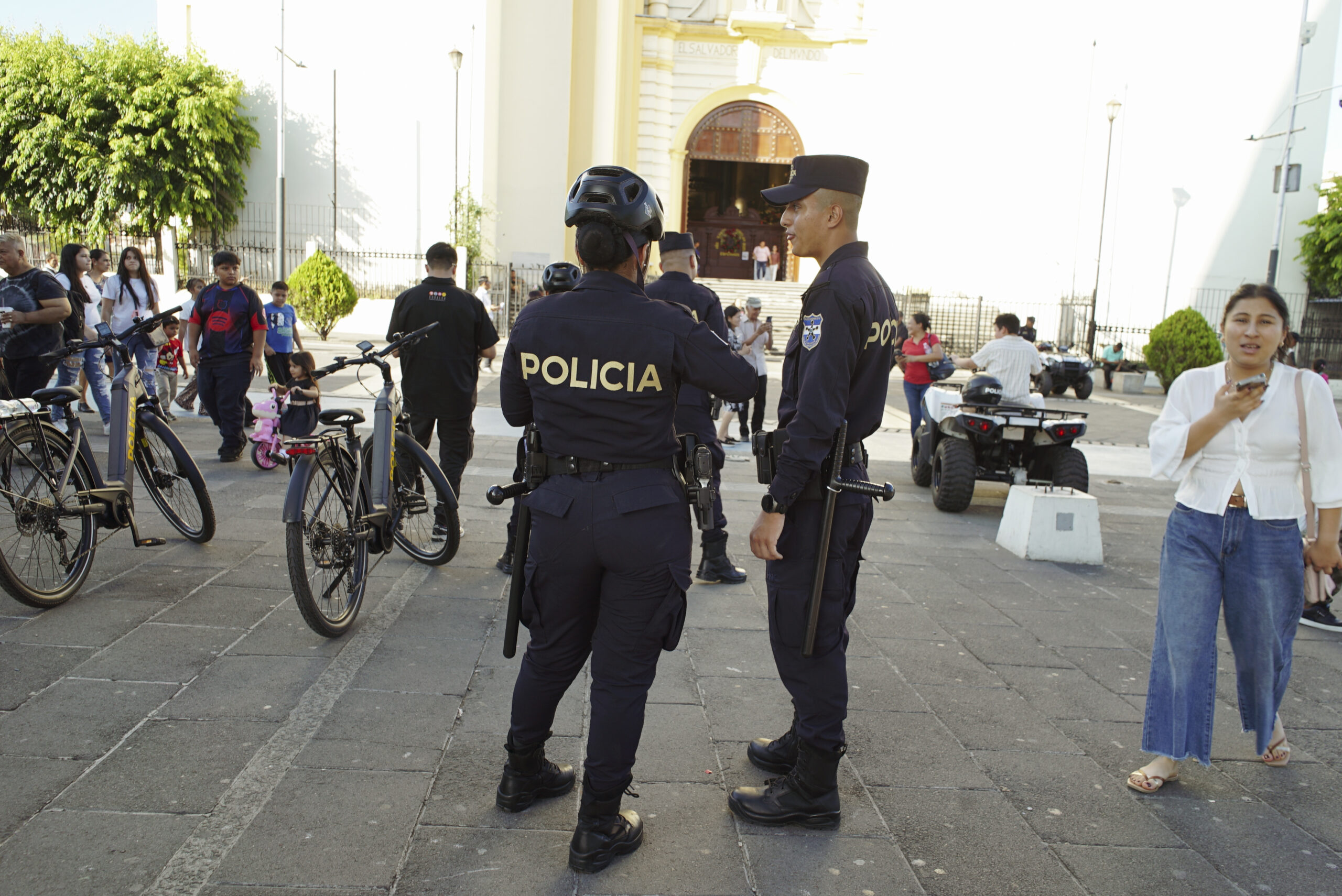
From the top, there’s a view over the city. New high-rises are popping up everywhere. The traditional pupusa stands selling cornbread have given way to American fast-food chains. Armed police officers are stationed everywhere. Souvenir shops sell shot glasses featuring President Bukele’s face.
There are plenty of tourists. Last year, this country—which has a population slightly larger than Finland’s—welcomed over four million tourists, more than ever before. Most of them come from the United States and Canada. For many, the capital, San Salvador, is just a stopover on the way to the Pacific coast, to the so-called Surf City.
I also head to El Salvador's most popular beach destination. A new highway through the jungle and mountains takes tourists there quickly. Surf lessons, salad bowls, and coconut drinks are on offer.
The area consists of several villages, among which El Zonte is known as “Bitcoin Beach” thanks to Bukele. The president announced that El Salvador would become the first country in the world to adopt Bitcoin as an official means of payment. El Zonte served as the pilot area for the initiative. Signs advertise cryptocurrency payments, but only a few people actually use them.
Bitcoin never became widespread in the daily lives of locals, and the state has suffered significant losses in the project. Under pressure from the International Monetary Fund, the government has since backed down from its plans to make bitcoin the sole currency in use.
Tourists are mostly interested in the relaxed beach life and surfing in the warm sea. I make friends with a young Canadian surf tourist on the beach. He is surprised to hear about the human rights situation in El Salvador.
“People here seem so happy,” he says.
Just like a perfect Instagram profile, El Salvador looks like a success story. In reality, the country has simply replaced gang violence with state-sanctioned violence. Tourists have a good time, but the rule of law has been shattered, and security relies primarily on the fear of locals living in impoverished areas.
On the last evening on the beach at El Zonte, locals gather for a thanksgiving service at the Pentecostal church. One of the participants says they are praising God’s miracle.
One of the villagers who had been wrongfully detained has been released from prison.
Text and pictures: Maija Salmi