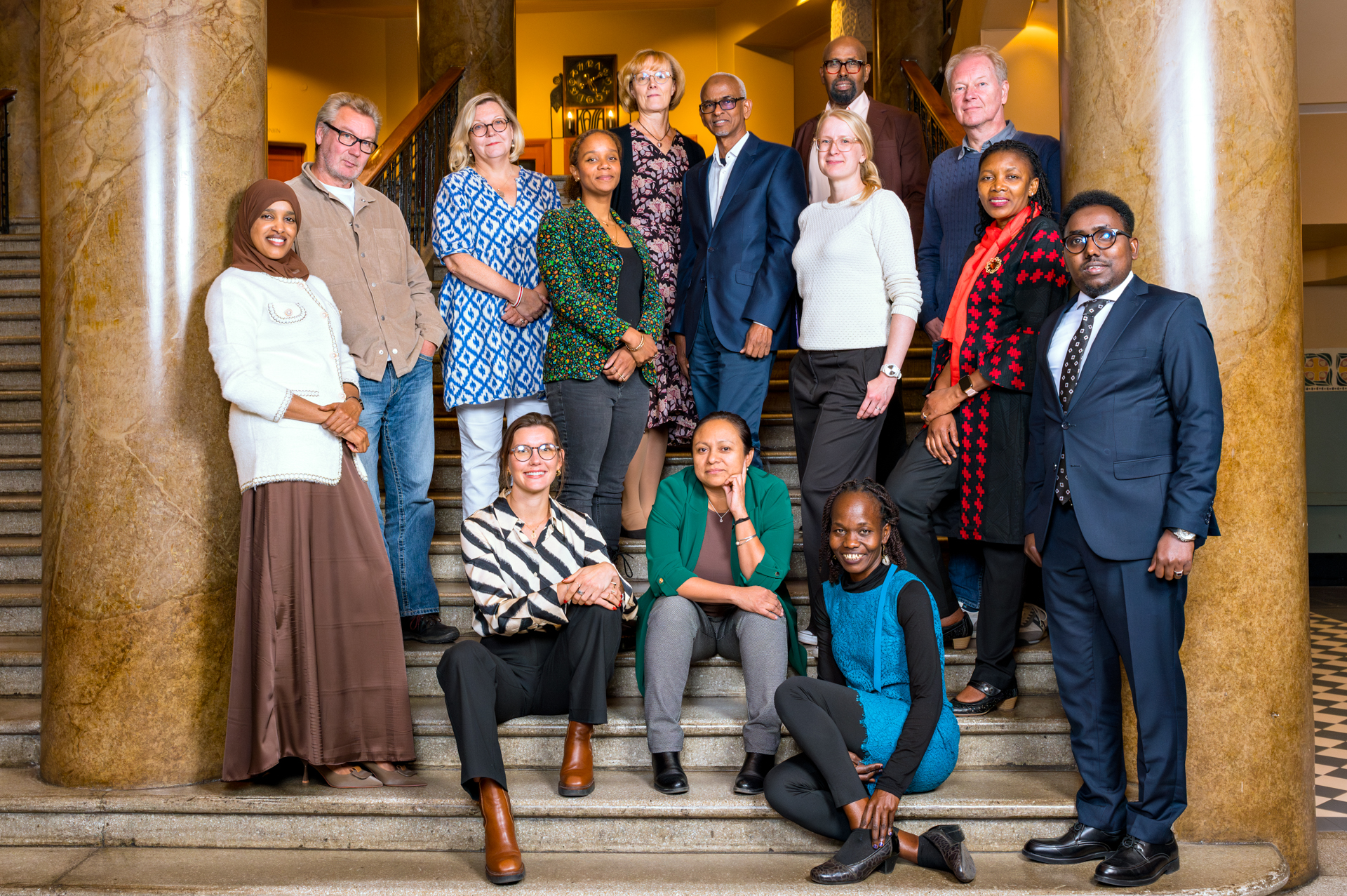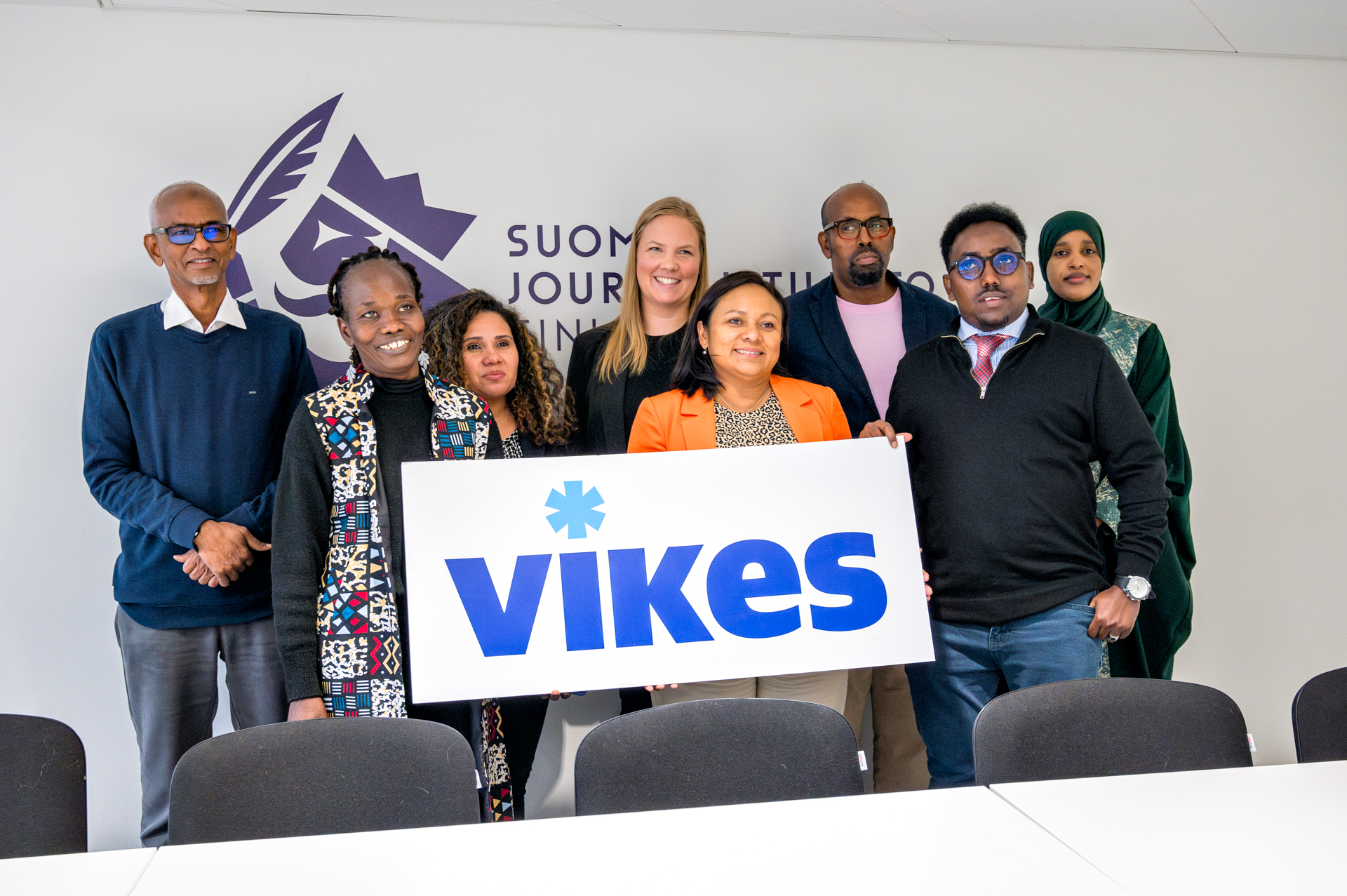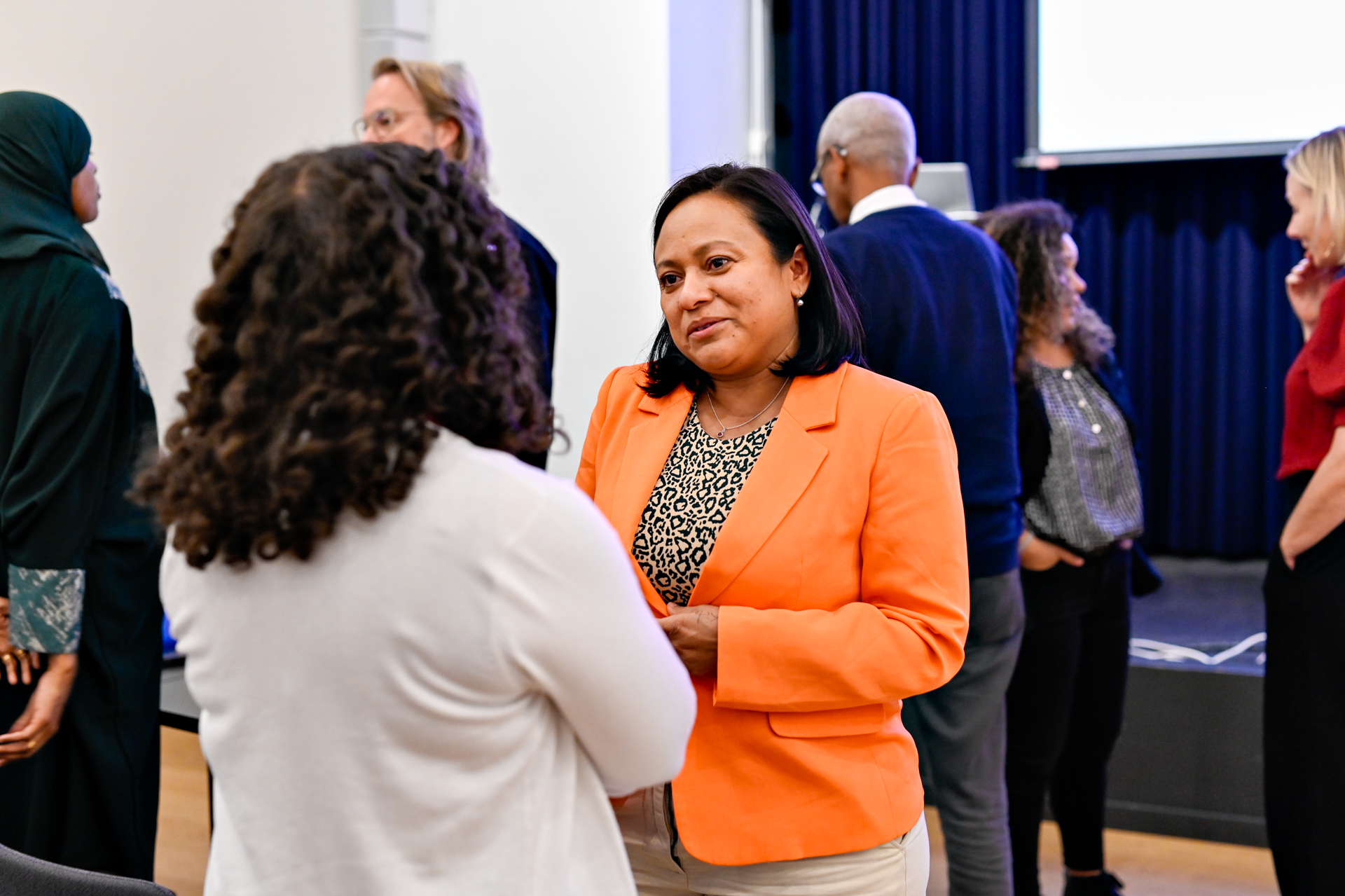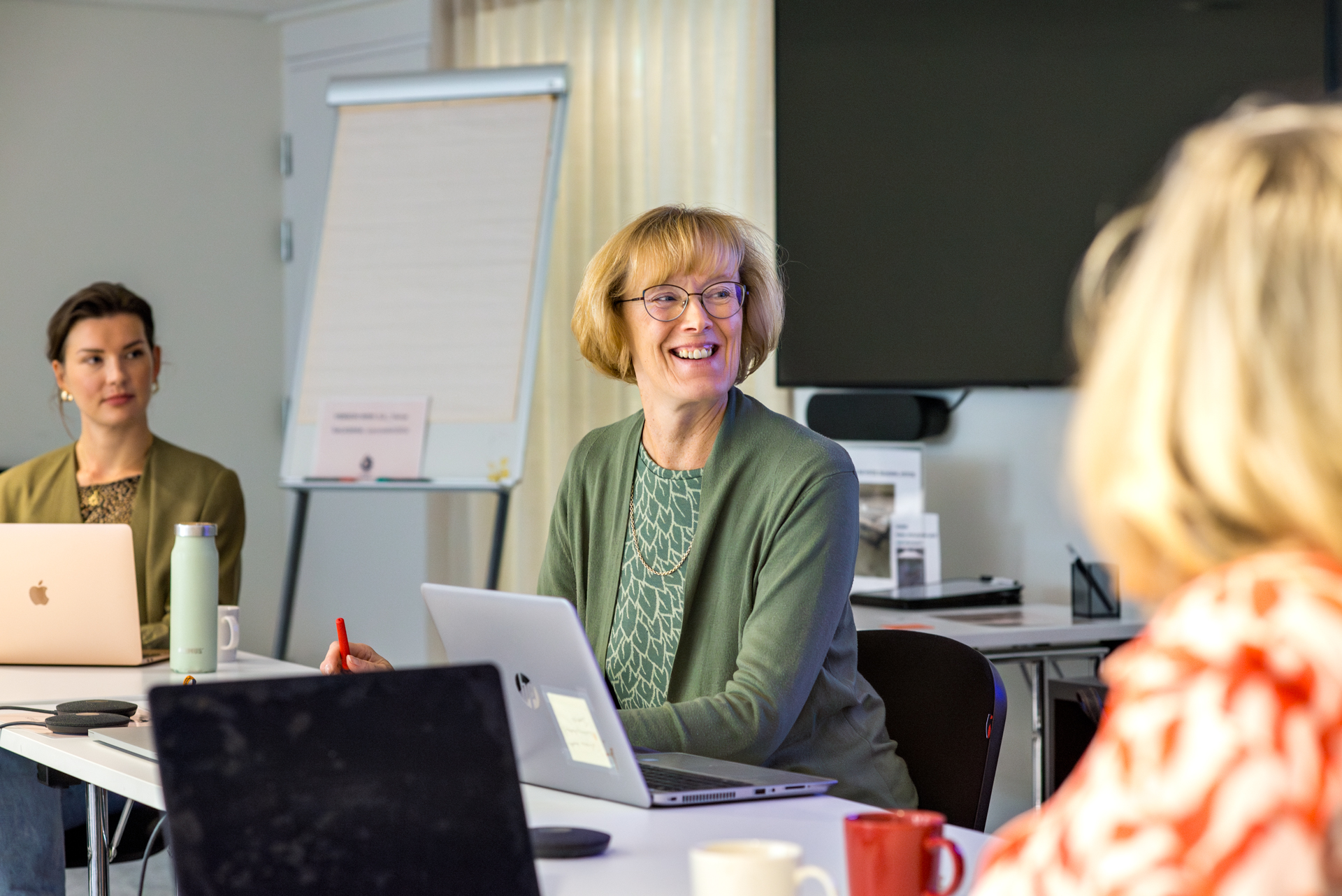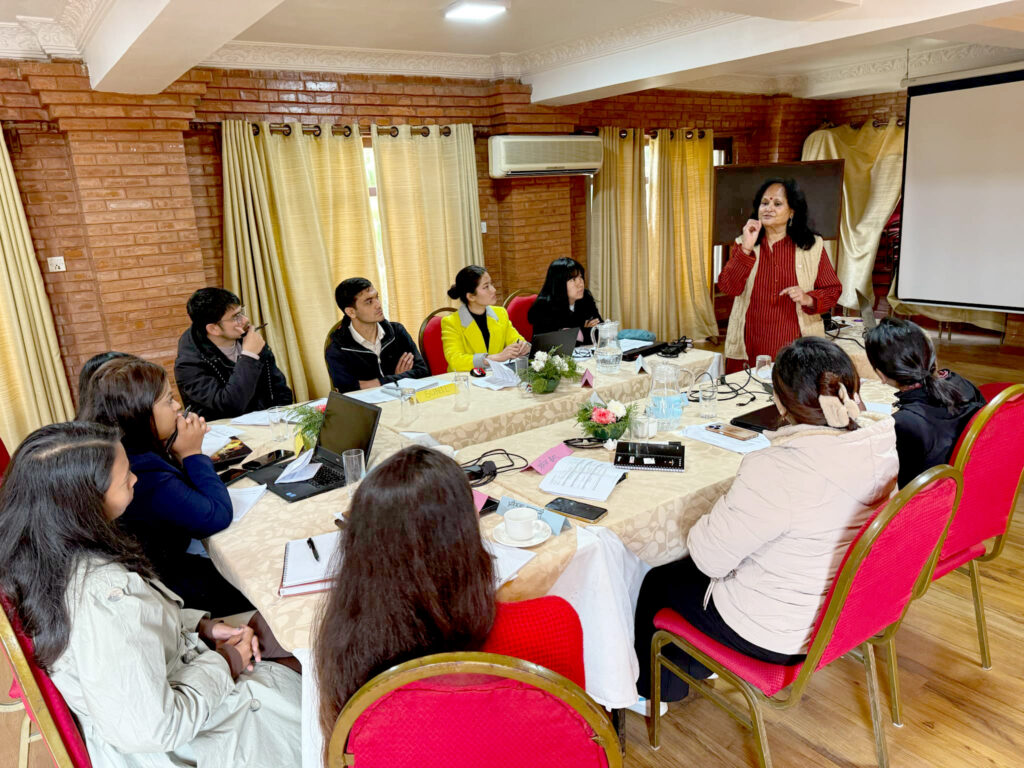
Representatives of Vikes’ partners from around the world visited Finland together for the first time. Over the course of the week, they explored the Finnish journalism scene, shared experiences, and built new international networks.
Vikes' partners – Ziada Kilobo (Media Council of Tanzania) from Tanzania, Catherine Apalat (Mama FM) from Uganda, Habiba Alasow, Farah Omar Nur and Hassan Dahir Mohamed (FESOJ) from Somalia as well as Abigail Hernández (La Sala) and Maryórit Guevara (La Lupa) from Central America spent the week in Finland learning, networking and sharing information about the situation in their own countries.
Finnish Media Exports: Multilingual News, the Council for Mass Media in Finland (JSN), and the Finnish Union of Journalists
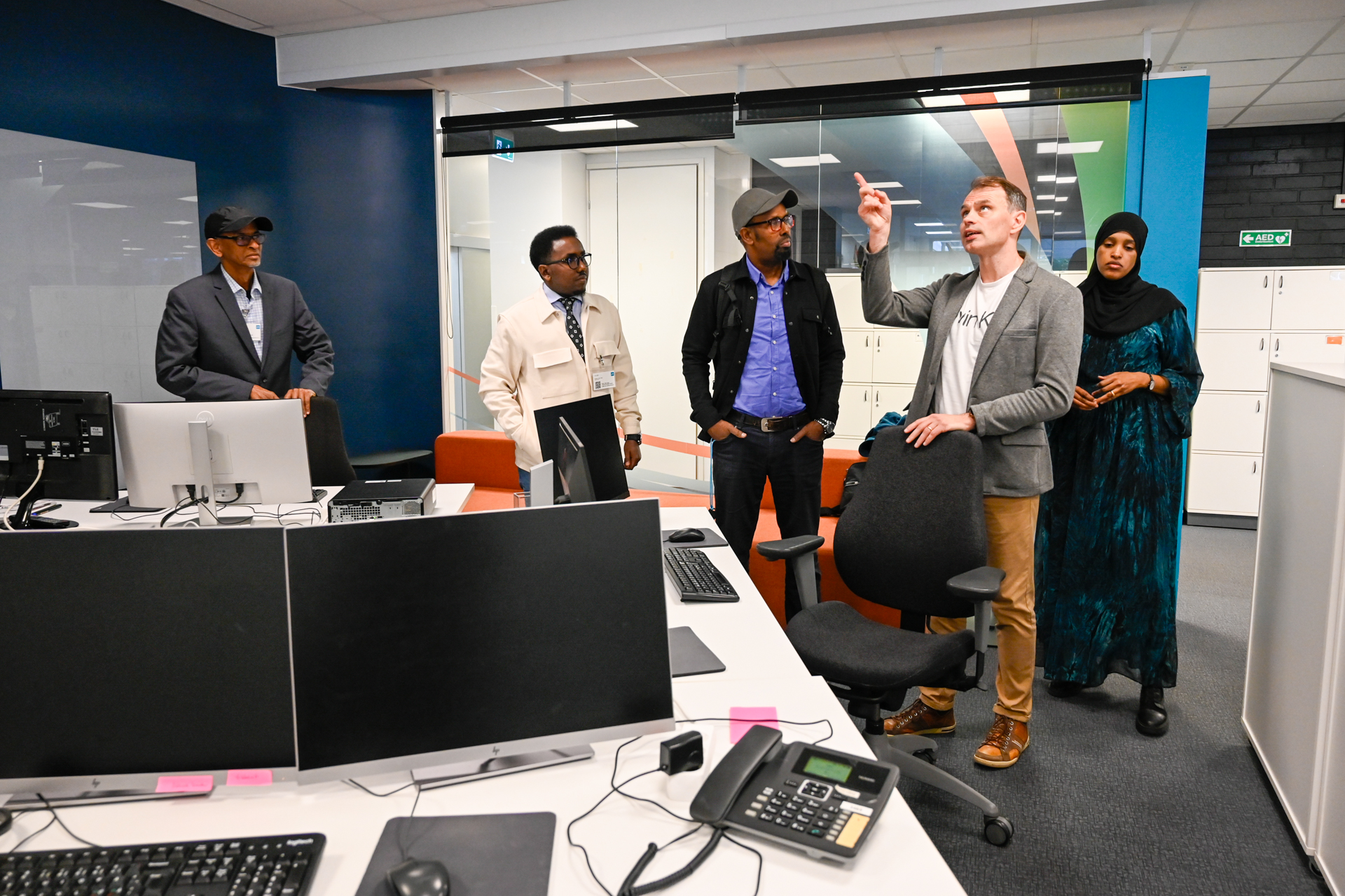
The first visit of the week was to Svenska Yle and Yle’s multilingual newsroom. Our guests had the opportunity to learn how multilingual and sign language news and media are produced in Finland.
The topic was particularly timely for Habiba from Somalia, who, with support from Vikes, is working to bring sign language news to Somalia’s national television station, SNTV.
“We are driving historic change at SNTV by working to ensure that sign language interpreters are included in news broadcasts. This supports social inclusion and ensures that information reaches the audience directly—not through many intermediaries,” Habiba told Marko Krapu,. the producer in charge of Yle’s news and Head of Current Affairs.
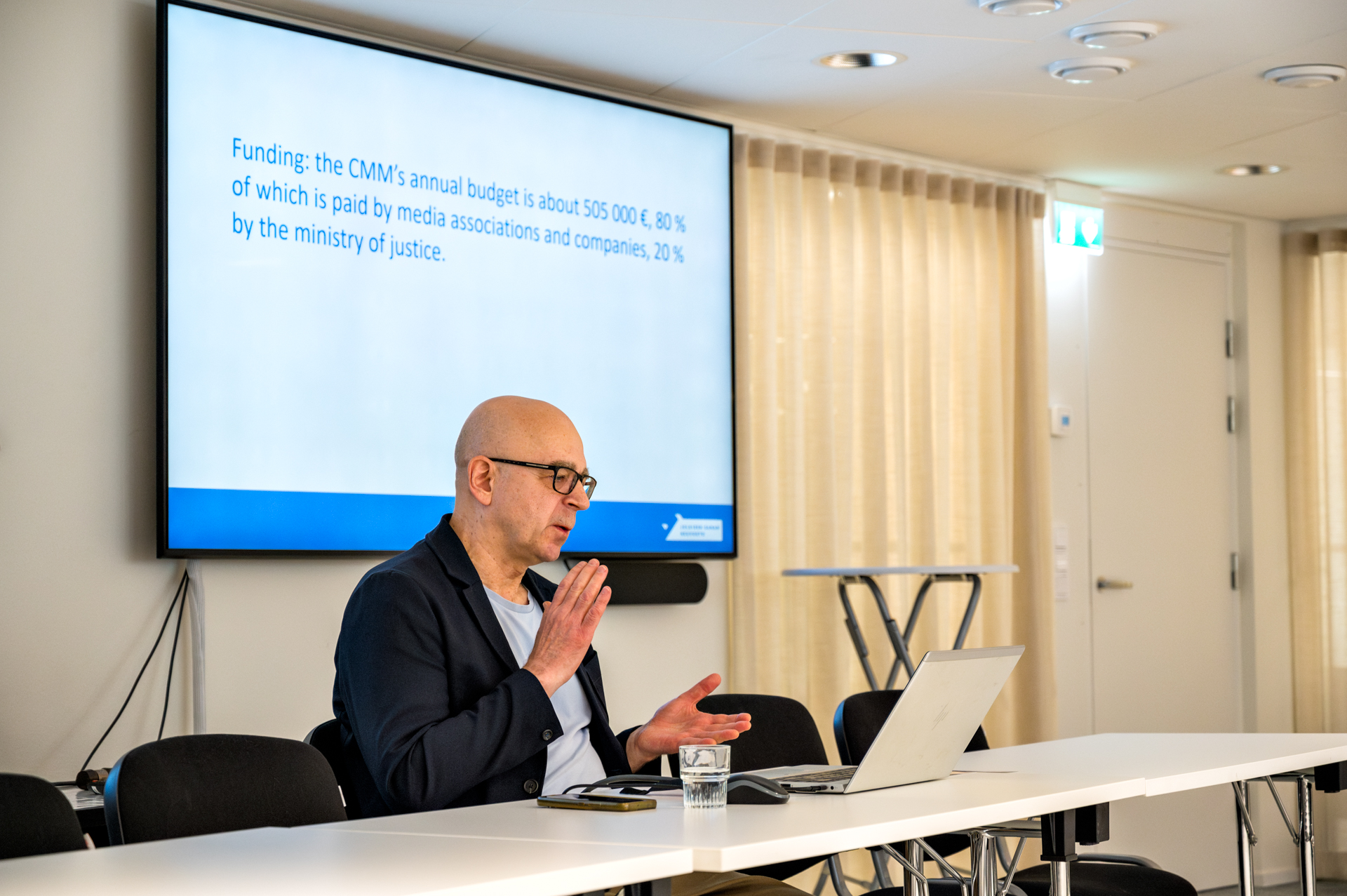
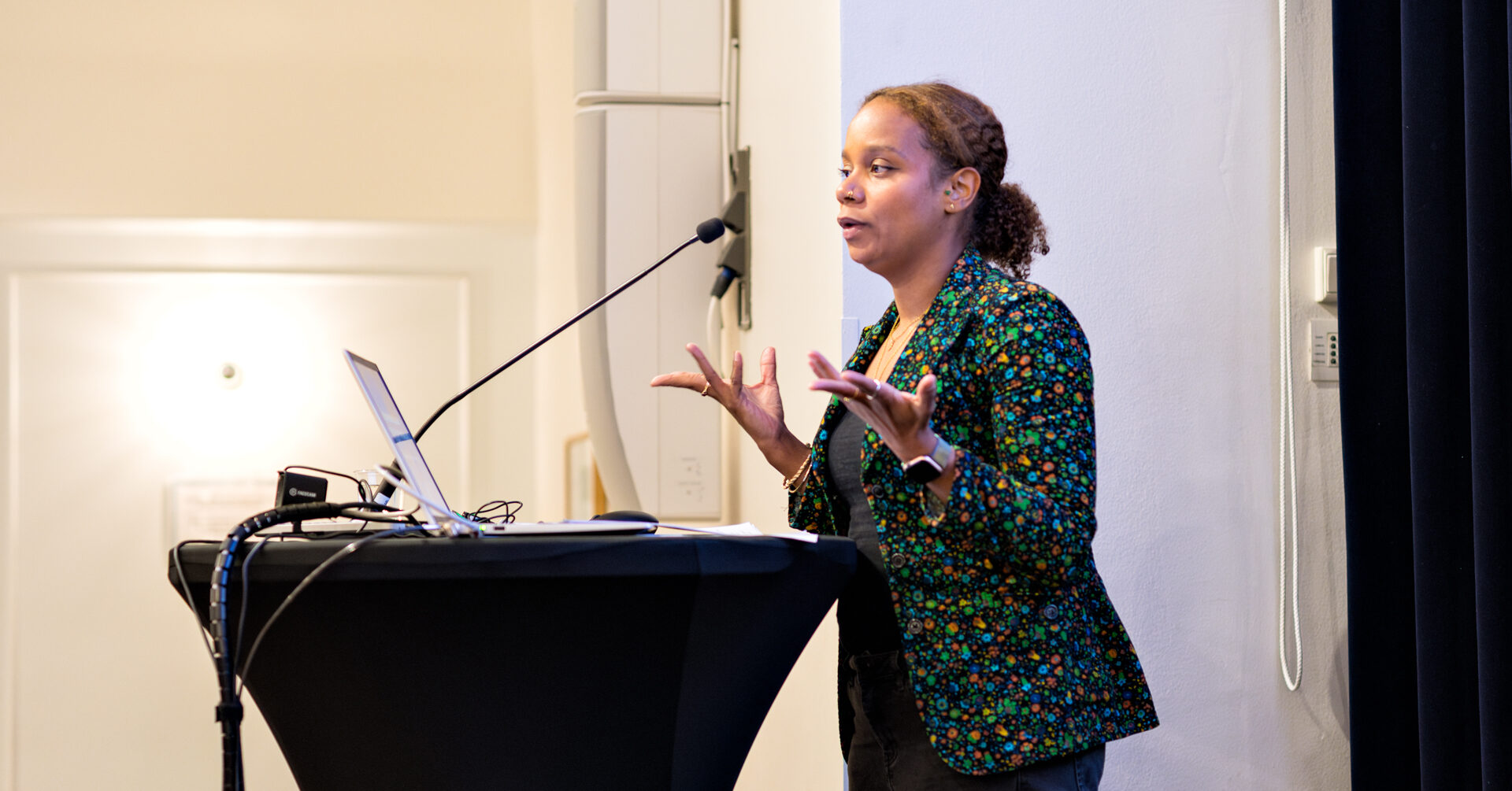
On Tuesday morning, our guests attended presentations by the Council for Mass Media in Finland (JSN) and the Union of Journalists. Eero Hyvönen, Director of the JSN, outlined the Council’s activities and discussed current issues facing the Finnish media. At the same time, information was exchanged regarding similar structures in partner countries and their stages of development.
Marjaana Varmavuori, President of the Union of Journalists, presented the union’s activities and discussed current trends in the Finnish media landscape.
Harassment of female journalists slows down democratic progress
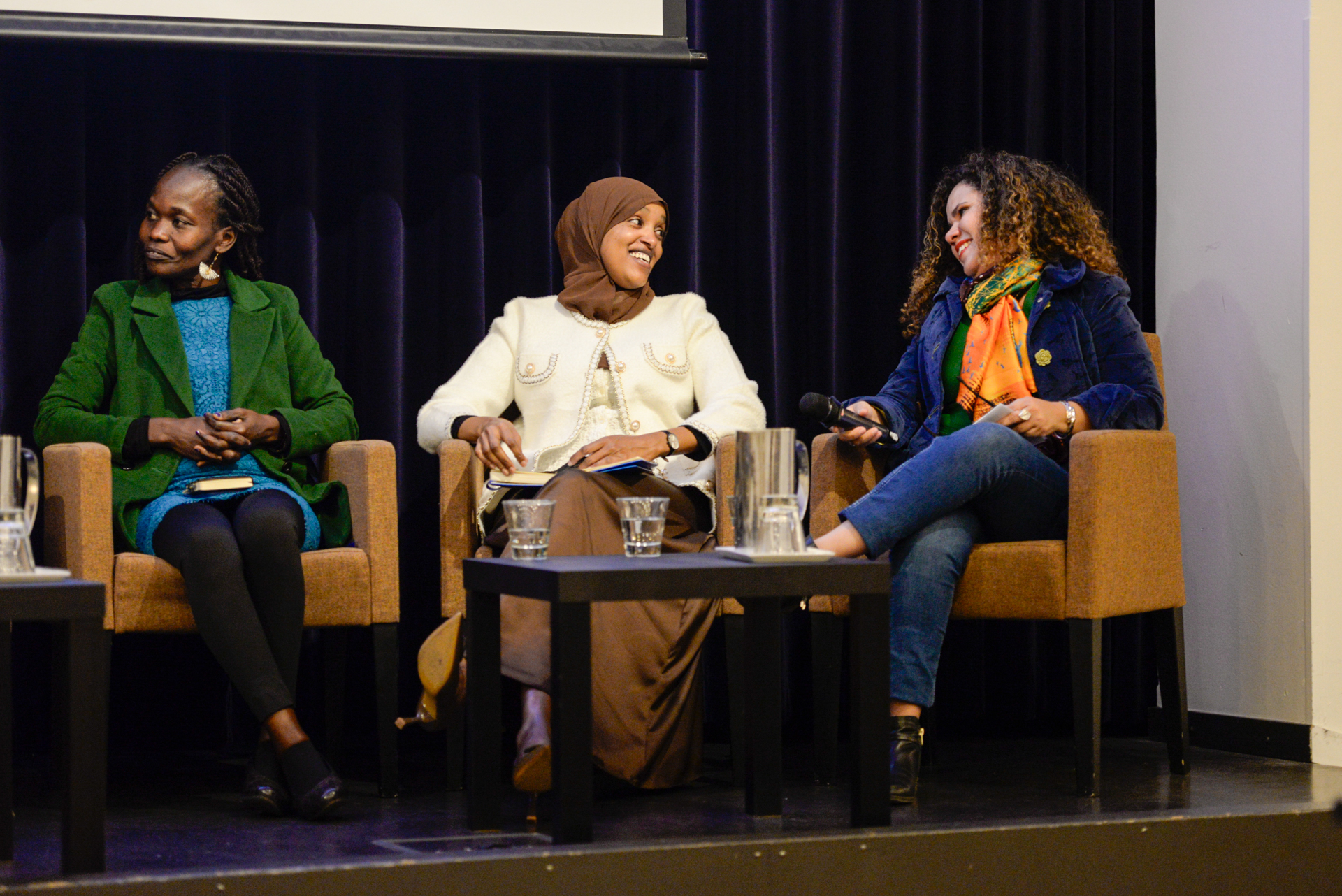
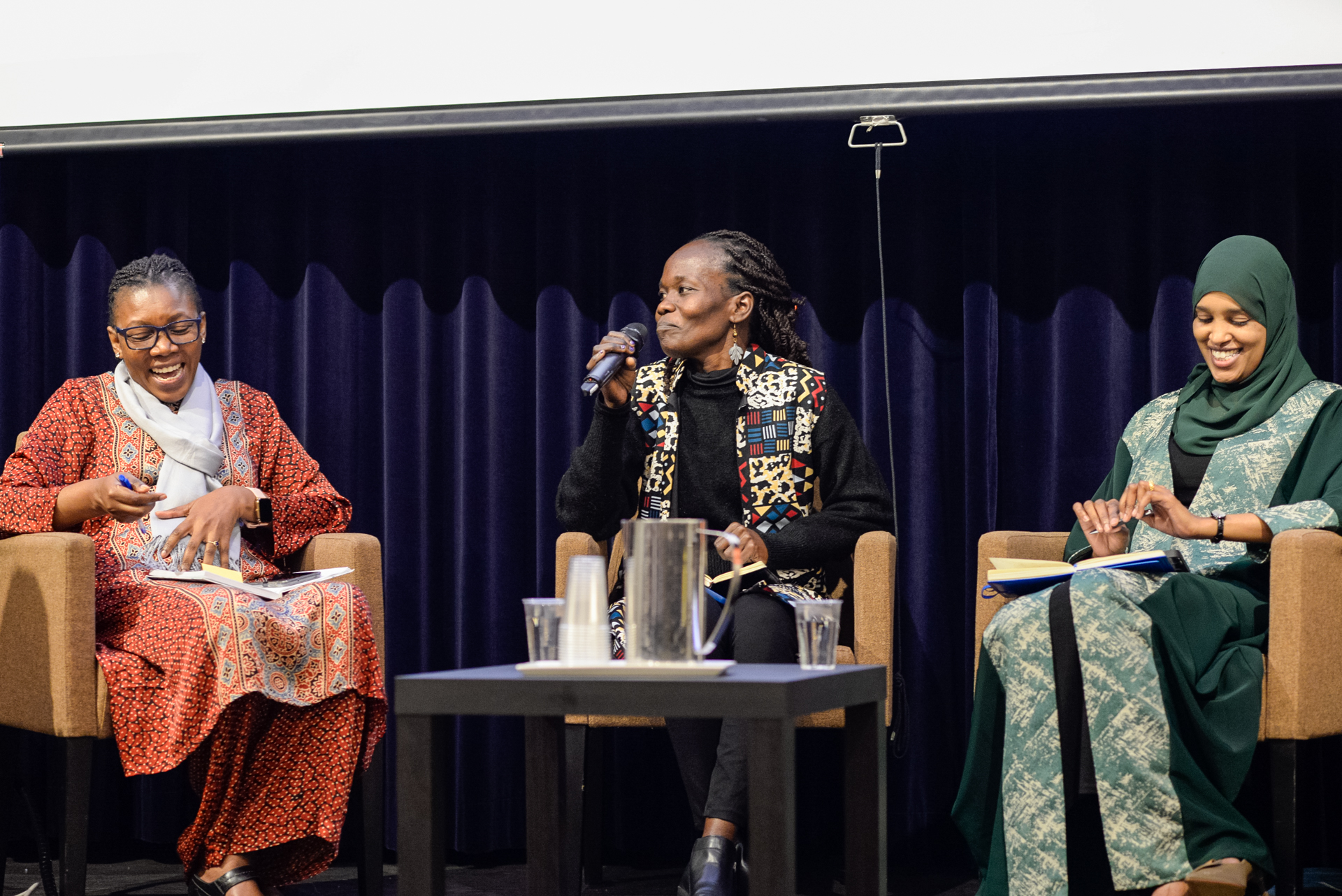
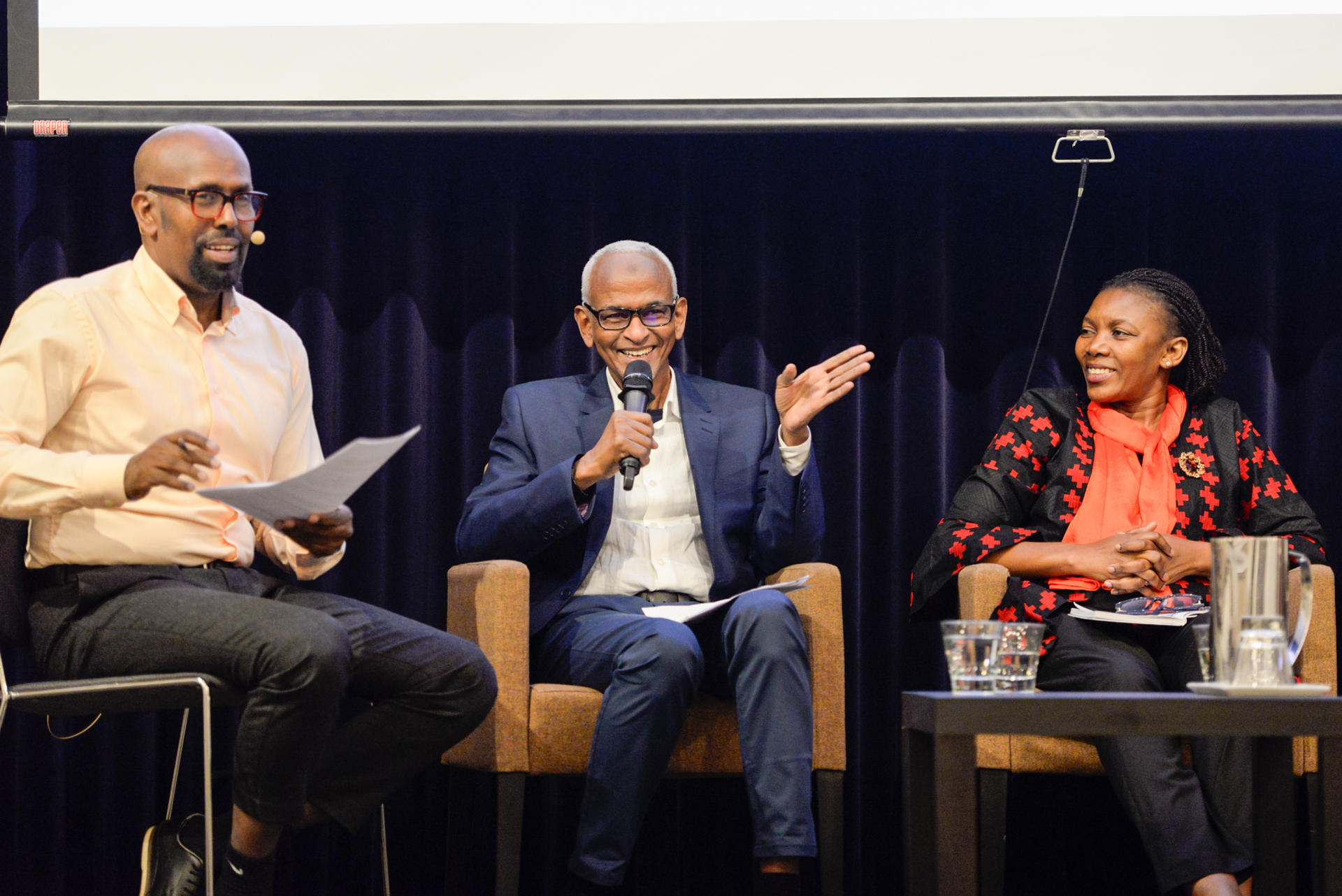
The first part of the two-day seminar focused on female journalists’ experiences in the workplace. Led by host Amkelwa Mbekeni-Kapasen, Ziada, Catherine, Habiba, Maryorit, and Abigail shared their experiences of gender-based harassment, barriers to career advancement, low wages, and a lack of recognition.
The challenges are similar across different countries, and they have serious consequences. When women’s voices are not heard in the media and their rights are not respected, the reliability of the media is also undermined. This is reflected in societal decision-making and undermines democracy in these countries.
However, solutions do exist. Advocacy efforts involving policymakers, civil society, and labor unions; anti-harassment policies in media organizations; safe reporting channels; and networks providing legal, psychological, and peer support are key steps forward.
Training male managers and editors-in-chief was also seen as an important means of bringing about change—and Vikes’s work in Somalia received special praise.
Improving safety requires strong networks
The second day of the seminar focused on the safety of journalists. Led by host Wali Hashin johdolla May (Myanmar), Farah, Catherine, Ziada, Abigail ja Ndéla Faye shared their experiences regarding the security situations in their home countries.
Security challenges were similar in many places: actors spreading fake news, the threat posed by terrorist organizations, pressure from authoritarian regimes, harassment, violence, and arbitrary arrests all make it difficult for journalists to do their work.
Especially during elections, intimidation and violence can directly influence opinion formation and election results. Fear causes journalists to avoid critical topics, freedom of speech is curtailed, and citizens are deprived of diverse, fact-based news coverage.
Safety can be enhanced by building strong networks both nationally and internationally. Advocacy, peer support, training, defending the independence of media organizations, and support from international partners are crucial means of improving the status of journalists.
Global networks strengthened during visit to Finland
The itinerary also included meetings at the Ministry for Foreign Affairs, the CMI – Martti Ahtisaari Peace Foundation and the Center for Latin American Studies at the University of Helsinki. Discussions with officials at the Ministry, those responsible for CMI’s Africa work, and researchers at the university were fruitful: they provided an opportunity not only to update the international situational picture of the target countries of Finland’s journalistic development cooperation, but also to consider new partnerships and forms of cooperation.
The visit also sparked interest in the Finnish media. Journalists had a unique opportunity to interview colleagues from countries whose situations rarely make the news in Finland. For example, journalists from Central America spoke about on the escalating situation in Nicaragua, which has so far received little attention in the Finnish media
The week culminated in a joint workshop where participants discussed future collaboration and its various forms.
The discussions revealed a strong desire for Vikes to play an even more prominent role in the future as a convener and network builder in the field of international journalistic cooperation. The partners hoped that Vikes’ support would focus particularly on strengthening the sustainability of organizations, developing journalistic work, and promoting networking.
The week’s activities centered on peer learning, not only along the north–south axis but also along the south–south axis. Vikes’ goal—to eventually make itself obsolete—took a step forward as partners had the opportunity to build networks with one another and discover new ways of collaborating.
“Latin American women traced their roots back to Africa, and the women had the opportunity to learn from one another about ways to do their work under challenging conditions. Equal global peer learning and networking build resilience in development cooperation and represent genuine solidarity—precisely what lies at the heart of Vikes’s work,” says Executive Director Marjo Heinonen, summarizing the insights gained from the week’s collaboration.
Read more:
Maailman Kuvalehti: Abigail Hernández on yksi lähes 300 toimittajasta, jotka ovat lähteneet Nicaraguasta – ”Suurin osa riippumattomasta mediasta toimii maanpaossa tai salassa”
Kansan Uutiset: Uhkailua, häirintää, vainoa – Etelän naisjournalistit taistelevat oikeudesta tehdä työtään
Kansan uutiset: Vaarallinen paikka toimittajille
Pictures: Vanessa Riki