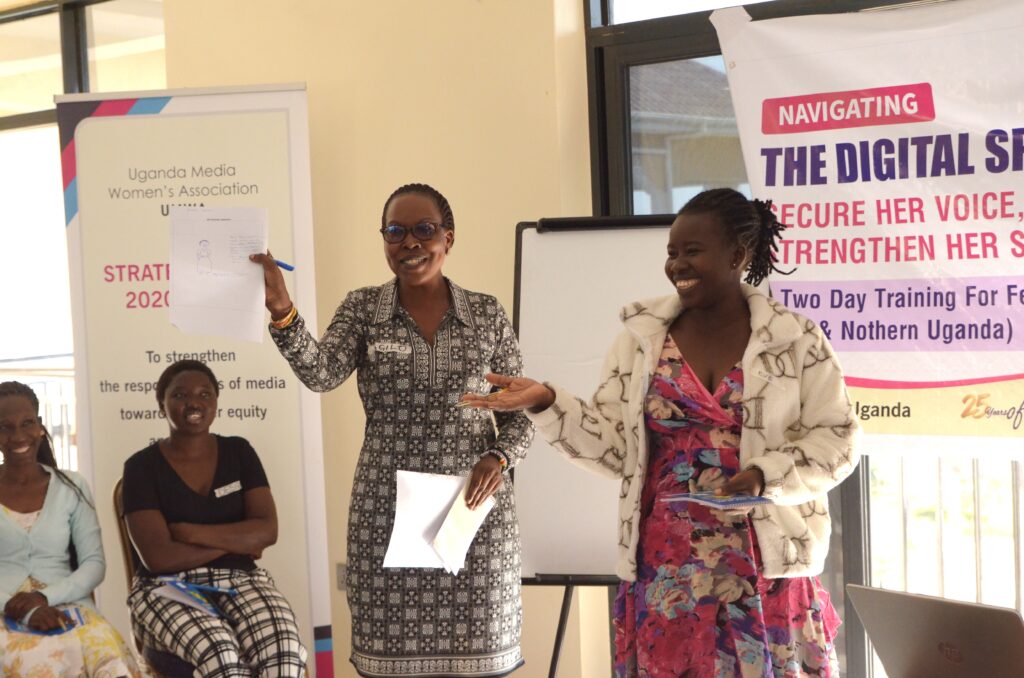
The Ugandan Women Journalists Association (UMWA) promotes equality and gives women a voice on its own radio station, Mama FM. There are many problems with press freedom, which drives many people away from the field.
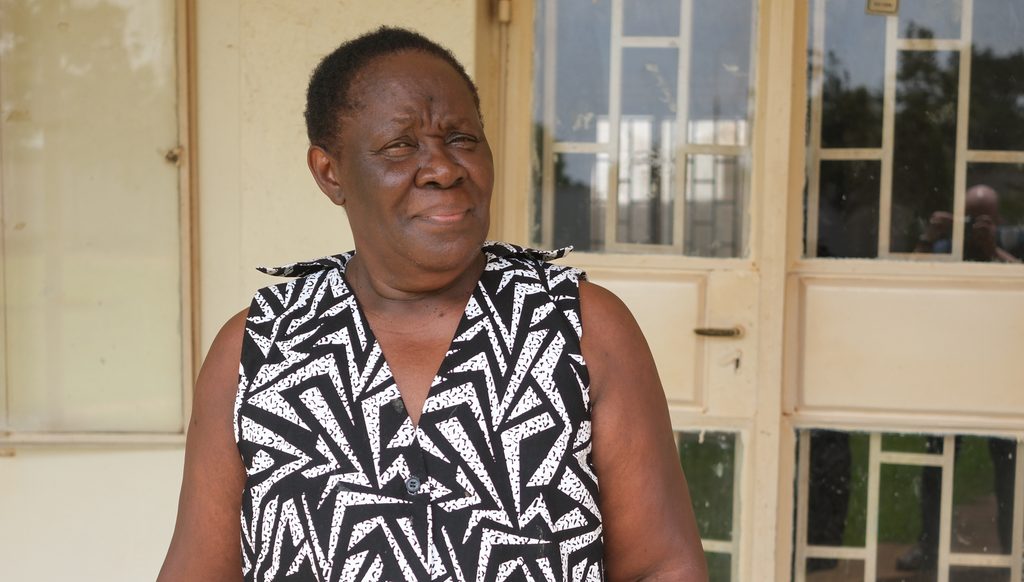
“Ultimately, it's about solidarity. You know that you belong somewhere and that someone cares and can offer support—and at the same time, your skills can grow,” says Margaret Sentamu.
She explains why it was a good idea for female journalists in Uganda to establish their own organization. Sentamu helped found the Uganda Media Women's Association (UMWA) in 1983, and she has served as the organization's executive director since 1994.
Support is most important when dangers arise in one’s career. According to Sentamu, the most common threats include intimidation by the police and the military, sexual harassment, online harassment, the confiscation of work equipment, and—especially during election season—physical violence.
“You could also lose your job or become isolated at work,” Sentamu says.
According to Sentamu, vocational training in Uganda does not address various safety risks, and when young people enter the workforce, they have to figure out themselves how to navigate these dangers.
Over the years, the UMWA has done a great deal to advance the status of women journalists: it has trained thousands of journalists, conducted research, and influenced media and gender equality laws. Some of the young people trained by Sentamu have since become ministers or otherwise influential members of society.
“That's something I can be proud of,” she says.
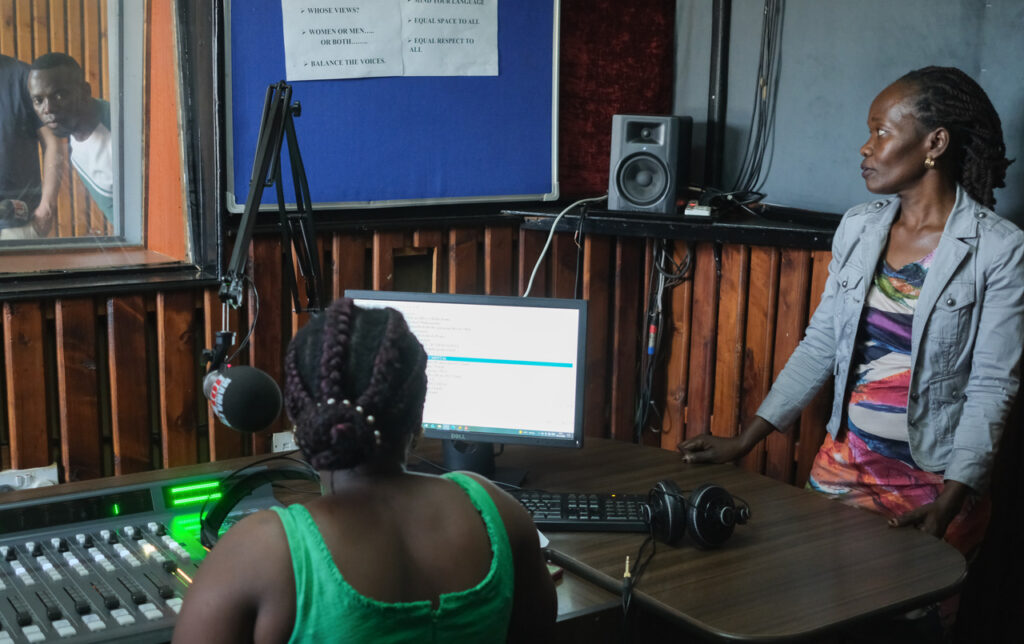
In addition, women’s own voices have been highlighted through concrete actions. For many years, the UMWA published the magazine The Other Voice, and its own radio station, Mama FM, was launched in 2001.
Mama FM broadcasts social programs about women and for women
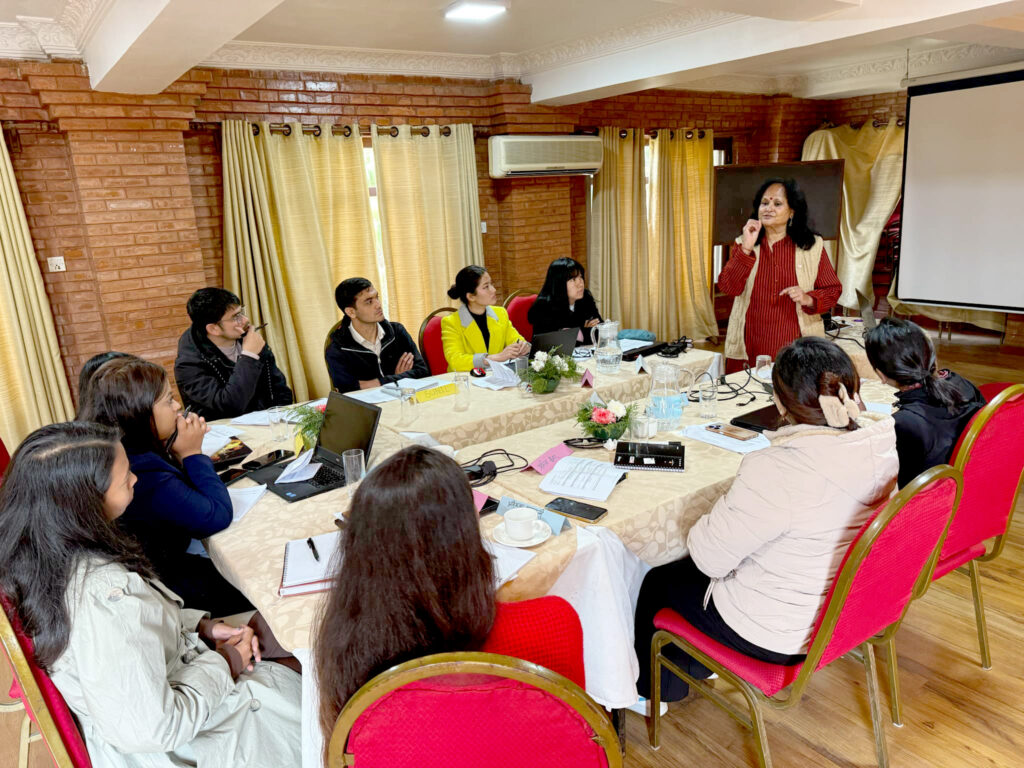
With support from Vikes, UMWA organized training sessions in 2025 on safer election reporting. Uganda held elections in January 2026.
Catherine Apalat, channel manager at Mama FM, who coordinated the training sessions, says that many of the participants did not know enough about elections or safety before the training.
"They may end up in trouble against their will," Apalat says.
According to Apalati, the Ugandan media is both free and restricted at the same time. People can report on many issues without fear, but it is not advisable to criticize the country’s top political leadership, and it is best not to report on corruption involving certain influential politicians. Talking about sexual minorities also carries risks.
Mama FM is doing its best to navigate this difficult situation.
“Here at Mama FM, we give women a voice,” Apalat says.
“We broadcast a lot of content related to development: children's issues, the rights of people with disabilities, women's rights and women in politics, agriculture, and health. We also feature news, music, and sports.”
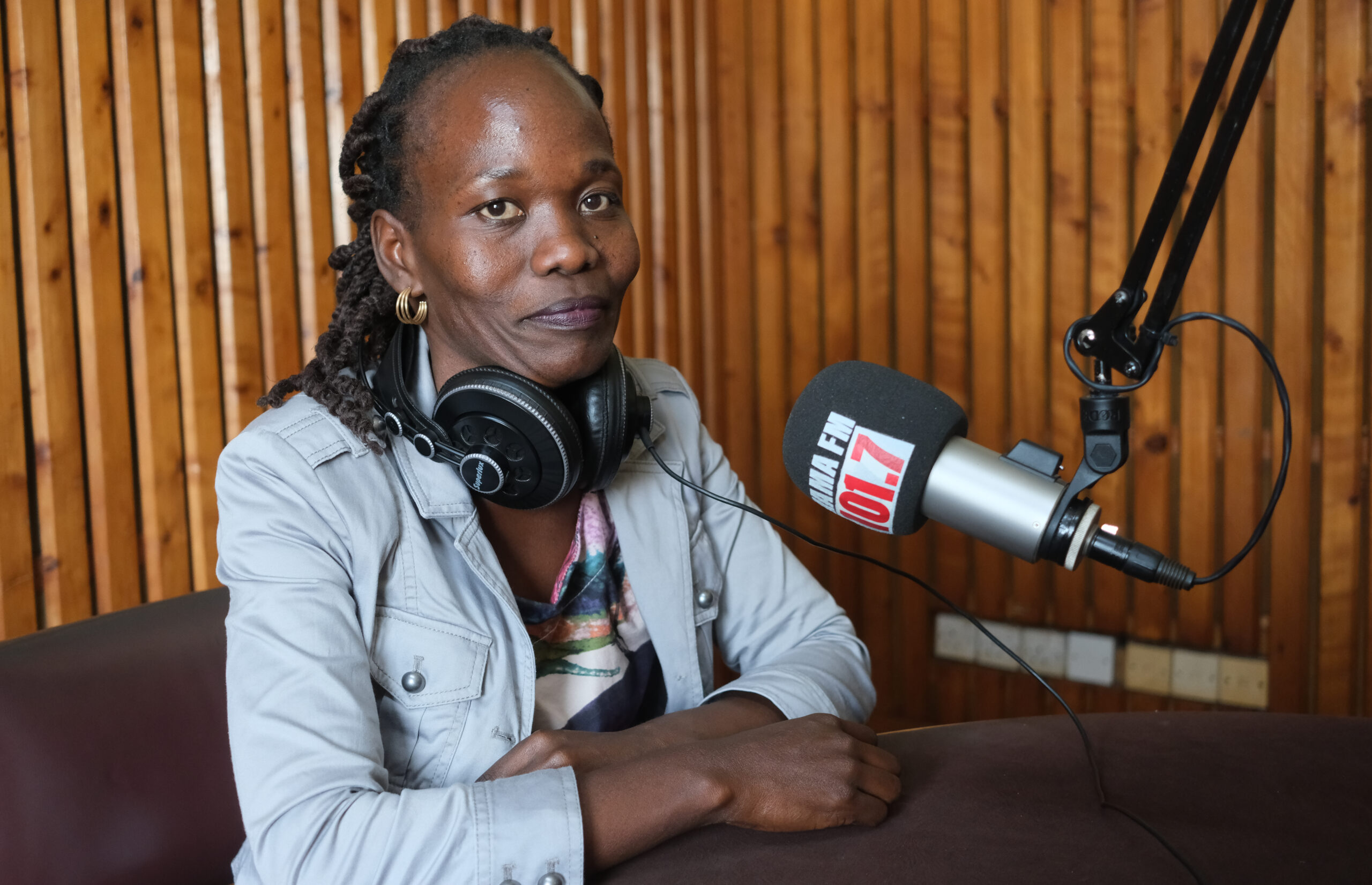
In the run-up to the 2021 election, Mama FM found itself in the government’s crosshairs when the station played a song by Bobi Wine, a well-known musician who was running for president, in which Wine expressed his hope that the election would unite the nation. Simply playing the song was enough to take Mama FM off the air for a few hours. The matter was resolved with a reprimand and an apology.
During the 2026 elections, journalists were subjected to more severe violence than before, but reporters from Mama FM were not subjected to violence.
Instead, Uganda’s decision to effectively shut down the internet across the entire country from January 13 to 17 hampered journalists’ work, according to reporter Aloysius Byamukama. Mama FM is led by women, but there are also men on the editorial staff. One of them is Byamukama, who has won awards for his programs on health issues.
“The internet outage limited our audience, since many people also listen to us online,” Byamukama says. Social media has become an important source of news for Ugandans, and the internet outage naturally affected that as well.
“Reporters are also used to sending their stories to the radio station over the internet, and now we have to physically deliver them, which is inefficient and expensive.”
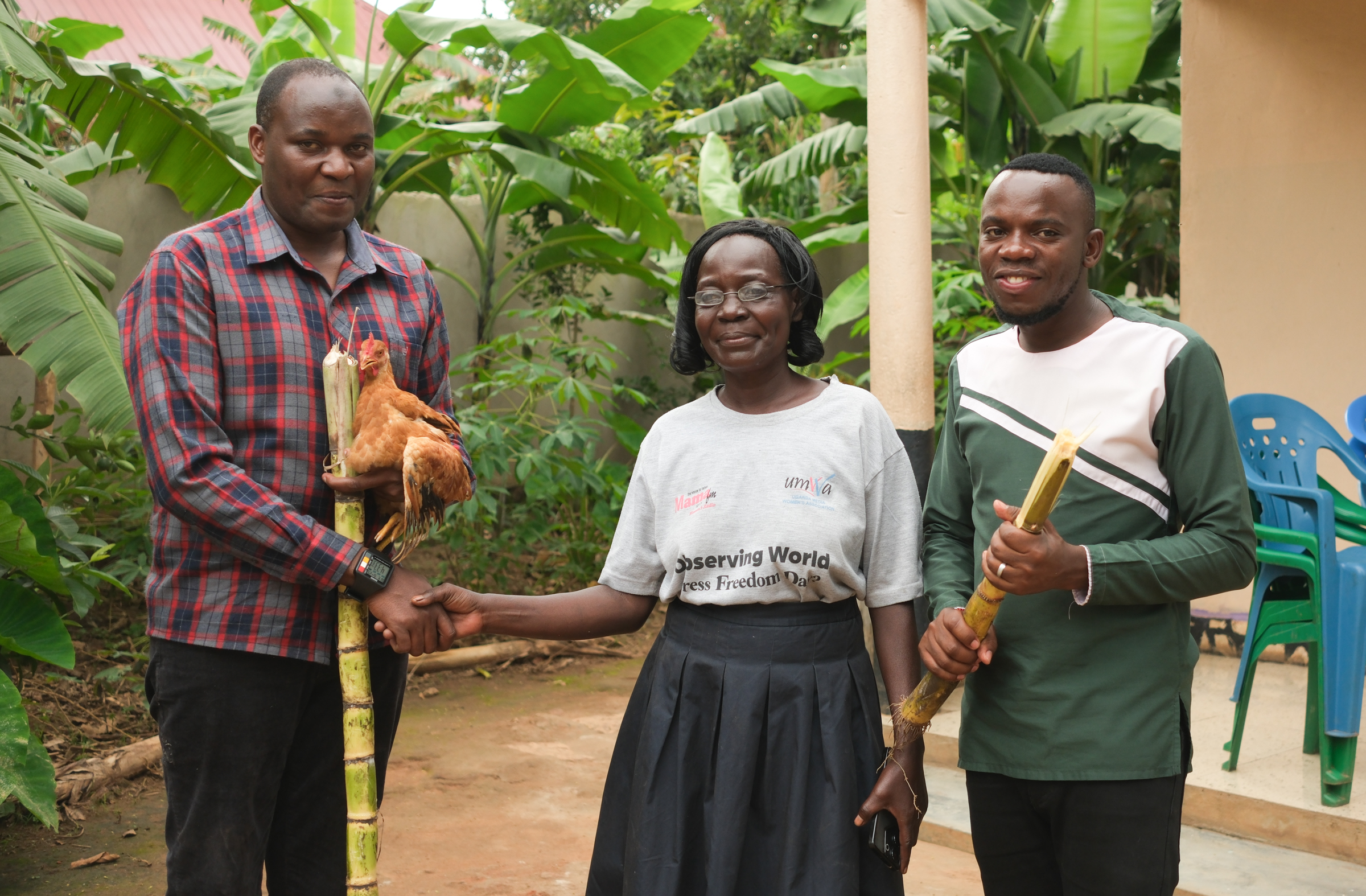
Gender-sensitive journalism
Byamukama himself originally joined the company through an internship.
“I quickly realized that Mama FM's values align with my own,” he says. “Here, they advocate for equality and oppose gender-based violence.”
Byamukama grew up with his grandmother, and he has since come to realize that, before his parents’ divorce, there had been gender-based violence in his home. Now, it is important for him to practice gender-sensitive journalism.
“We need to make sure women's voices are heard, and sometimes that takes patience,” he says. “Men often like to talk, while many women stay quiet. We have to work hard to achieve equality.”
In his view, the Ugandan media does more harm than good when it comes to gender equality. Women are not given as much airtime as men, and if a female leader or politician is interviewed, the media may comment on her physique or ask about her spouse.
“When the media focuses on things like this, women don't want to talk to the media.”
He says that people are still willing to speak to the media if the reporter first manages to gain their trust.
“However, you have to maintain trust. If, for example, you promise sources anonymity but ultimately fail to ensure it, they will never speak to reporters again.”
In his view, one major problem in the Ugandan media is the age structure. Career advancement opportunities are limited and pay is low, so many middle-aged journalists leave the field. In addition, journalists are threatened and assaulted, and their equipment gets stolen.
“I sometimes wonder myself if I'll be in this field for a long time, and that's worrisome,” he says.
“Without journalism, society is plunged into darkness. If people are aware of problems, they can be solved; but if journalists are silenced, information about society disappears.”
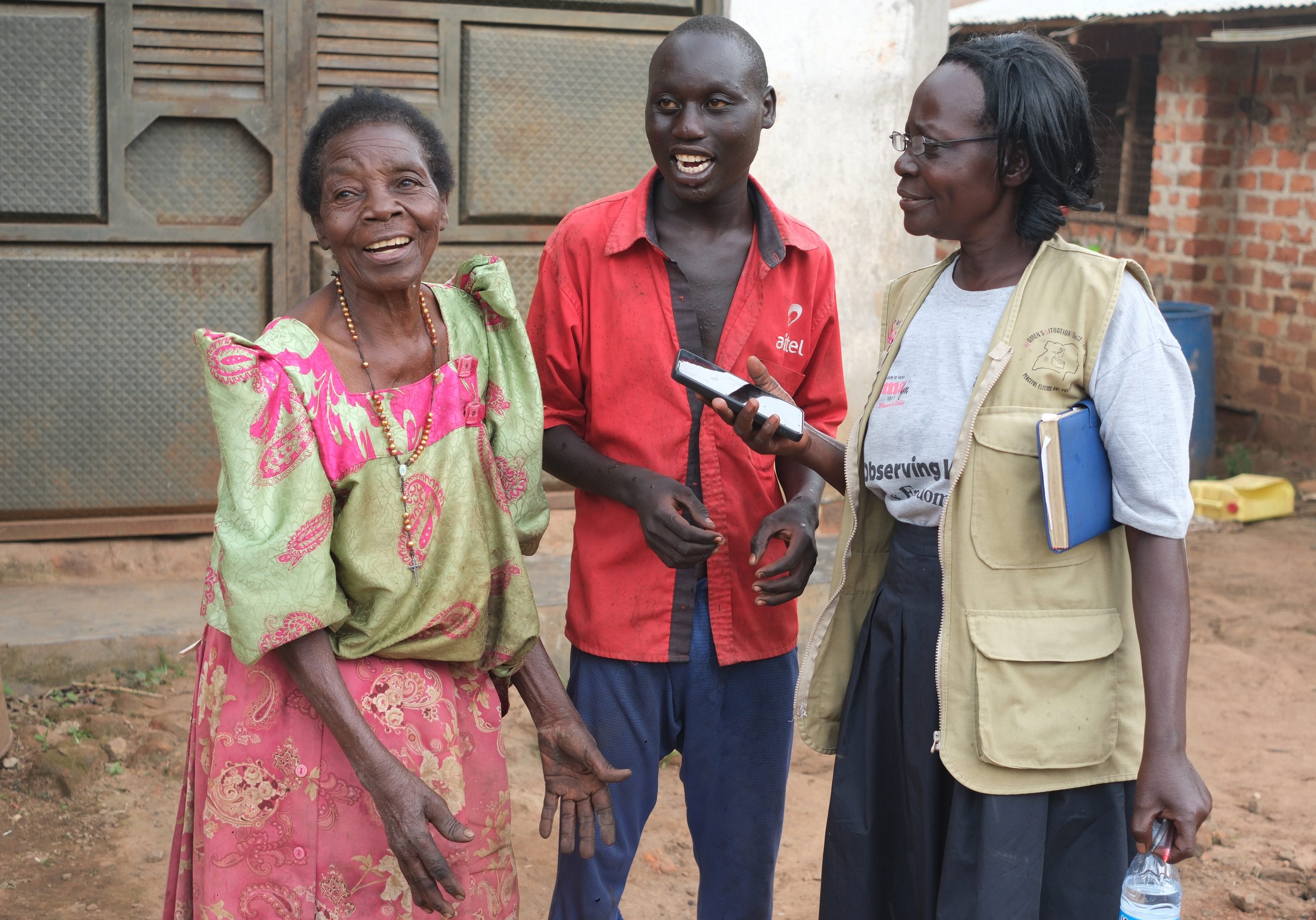
Writer and photographer: Esa Salminen