Online harassment is part of female journalists everyday life in Uganda. Female journalists working in northern and eastern Uganda report incidents of hacking, harassment, and threats that can even influence the topics they feel safe reporting on. Vikes’ partner, UMWA, strengthens female journalists’ digital safety skills through training and peer support.
Women suffer from online harassment and a lack of digital skills
As part of a gender equality program supported by Vikes The Uganda Media Women’s Association (UMWA) conducted a study on the digital safety of female journalists in northern and eastern Uganda. Twenty-one female journalists responded to the survey, which was designed to identify training needs.
According to the report, journalists encounter issues such as online harassment, cyberbullying, hacking, phishing, misinformation, and the unauthorized use of user accounts in the course of their work. Gendered online violence is particularly prevalent when covering sensitive topics such as politics and elections.
Nine of the survey respondents had received threatening messages, and eight reported that their social media accounts had been hacked. Furthermore, 64 percent of the respondents did not know how to report online harassment.
Harassment can lead to self-censorship
The impact of digital harassment extends beyond the safety of individual journalists. Threats, stalking, phishing, and hacking can lead journalists to avoid sensitive topics or abandon covering them altogether. At the same time, the presence of women’s voices in the media and in public discourse diminishes.
"I investigated murders that had taken place in the area—crimes primarily targeting women—and discovered that some security officials were protecting the perpetrators. I was warned that continuing the investigation would put my life at risk, so I had to abandon the story,”, a female journalist recounts in a survey assessing training needs.
Reporting corruption can also lead to threats.
"I wrote about suspected corruption involving a city official in Lira. After the story was published, I received threats, and I also lost several of my sources within the city administration. I did not report the threats because I feared for my life,"' says Agness Agilo, a journalist and producer at Radio Wa.
Training provides practical ways to protect yourself
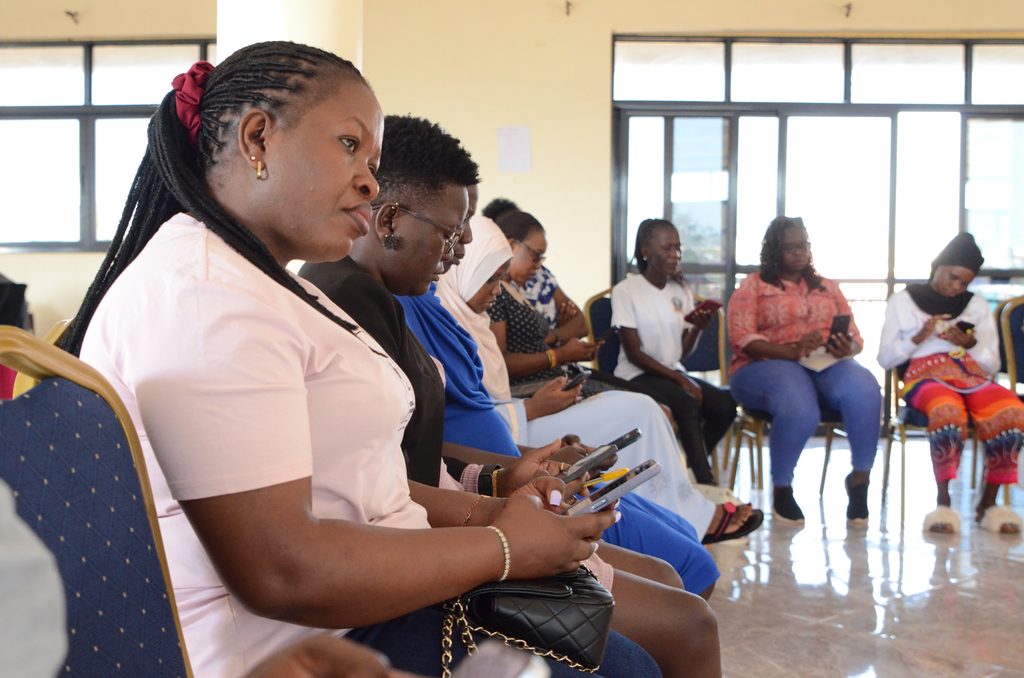
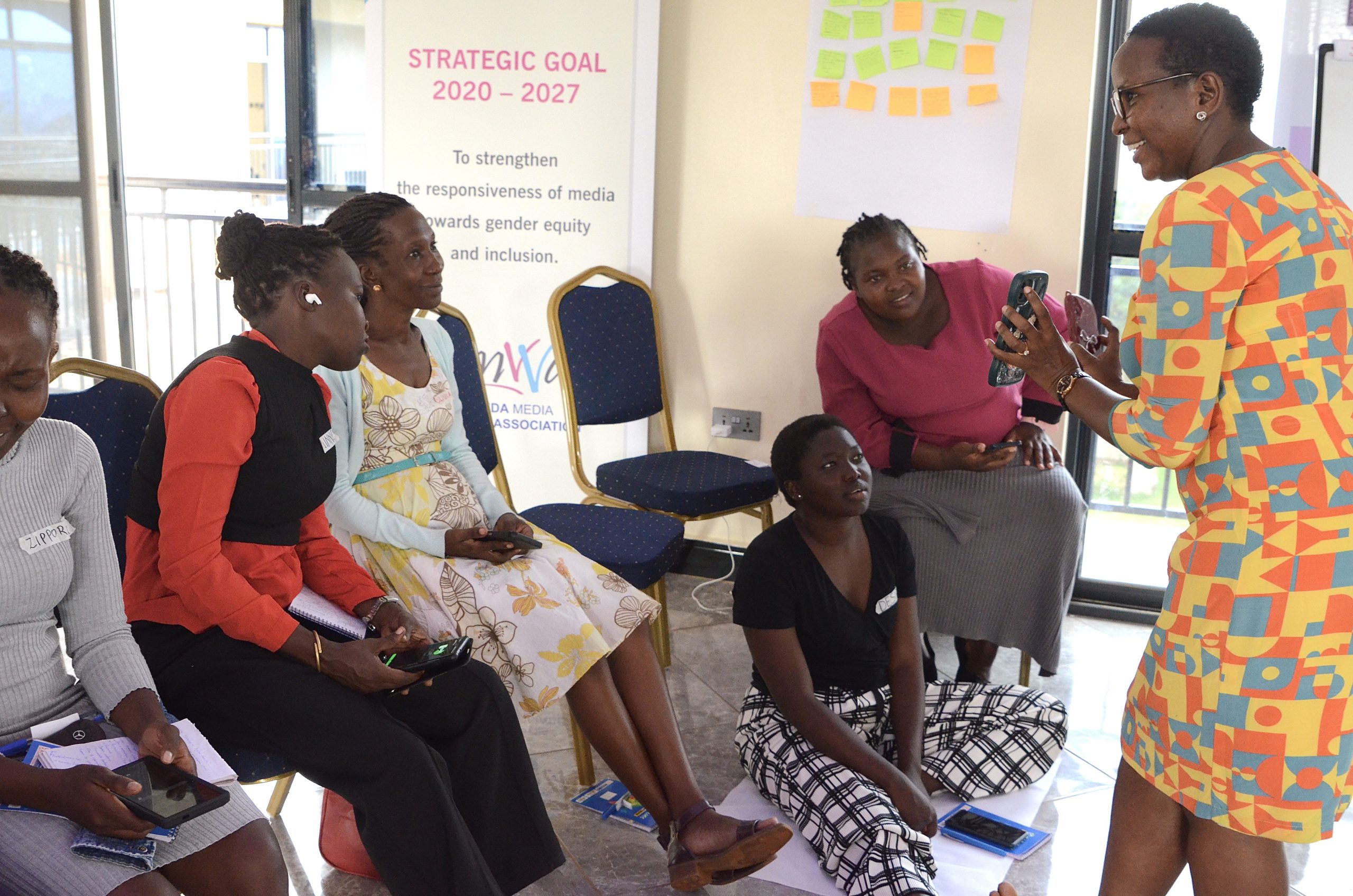
Based on a needs assessment, UMWA organized a two-day digital security training in June for 40 female journalists from the eastern and northern parts of the country.
The training covered topics such as securing phones and user accounts, safe password practices, data protection in communication, and protecting oneself from online harassment. In addition, participants deepened their understanding of misinformation and disinformation as well as how to identify them.
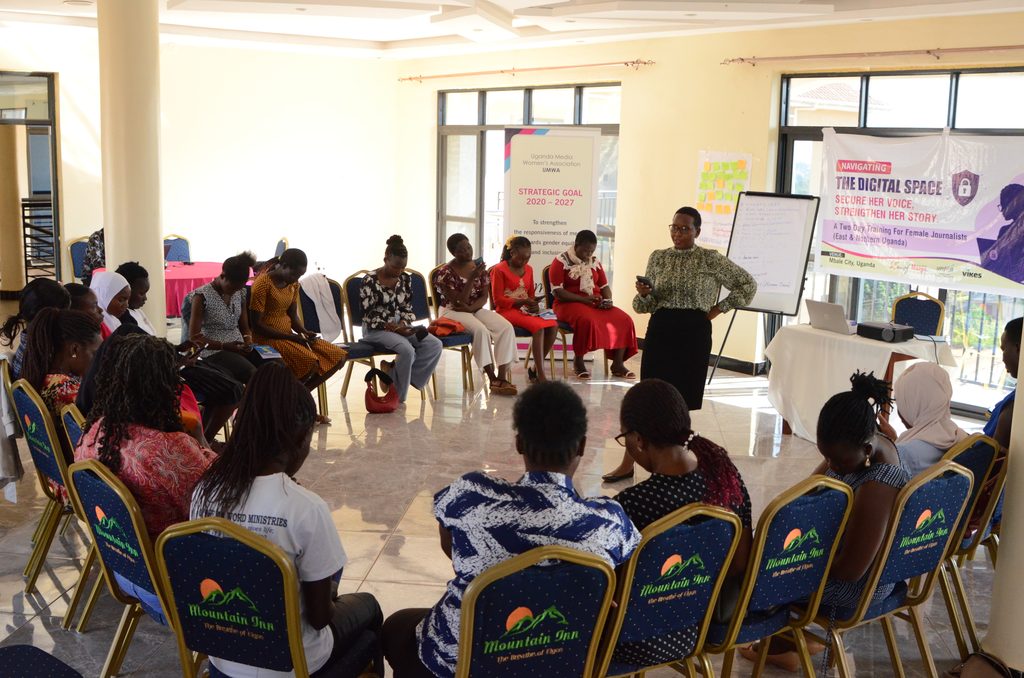
The goal was to provide journalists with concrete ways to protect their digital identity and work more safely online.
”As a journalist, the elections have exposed me to online harassment, threats, and the spread of misinformation. This training came at exactly the right time. I gained practical skills for protecting myself online, dealing with digital threats, and using digital tools responsibly”, says Pheobe Masongole, a journalist for the Daily Monitor.
At the beginning of the training, 72 percent of the participants rated their digital skills as being at an intermediate level. After the training, 80 percent reported that their competence and practical skills had strengthened.
Each participant also created their own action plan for digital safety. In addition, a WhatsApp peer group was set up for the participants, through which they can continue sharing experiences and information after the training.
Digital safety cannot be left solely to individual journalists
Recommendations based on the training emphasize that responsibility for digital security cannot rest solely with individual journalists. Media organizations should establish clear digital security policies for their newsrooms, as well as procedures for preventing, reporting, and addressing online harassment.
The UMWA and other media-sector stakeholders should, for their part, increase training on online safety and digital rights. Journalists facing harassment also need peer support, mentoring, legal assistance, and effective reporting channels.
Improving the safety of female journalists also requires cooperation between media organizations, authorities, non-governmental organizations, and journalists' associations. Online harassment must be monitored systematically, and practices within the media sector need to be strengthened to recognize the specific characteristics of harassment directed at female journalists.