What do music, films, and art have to do with democracy? Myanmar-born artist May and Taiwanese musician-diplomat Freddy Lim believe that art is precisely what helps people understand one another — even in places where freedom of expression is restricted and societies are deeply divided.
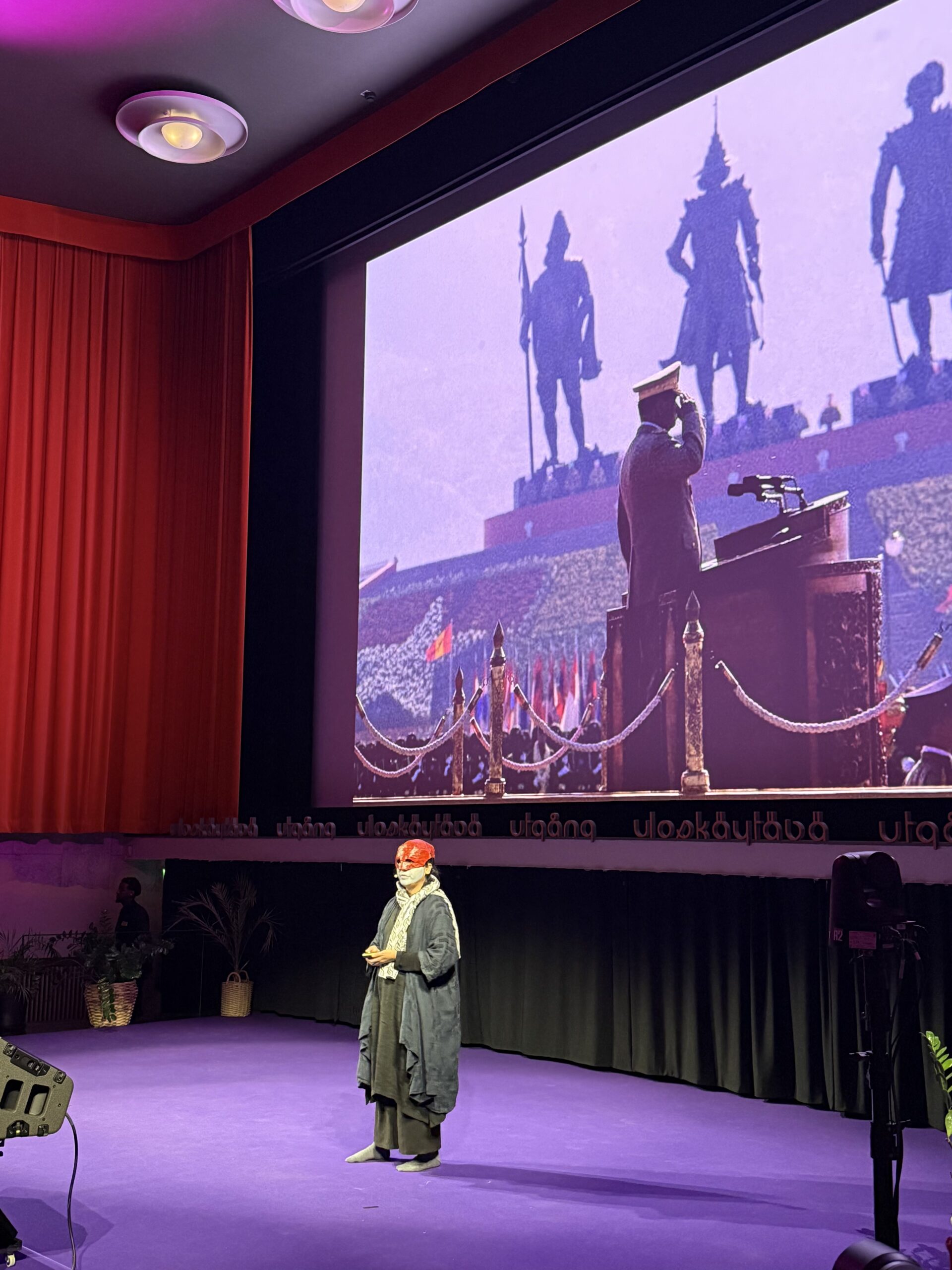
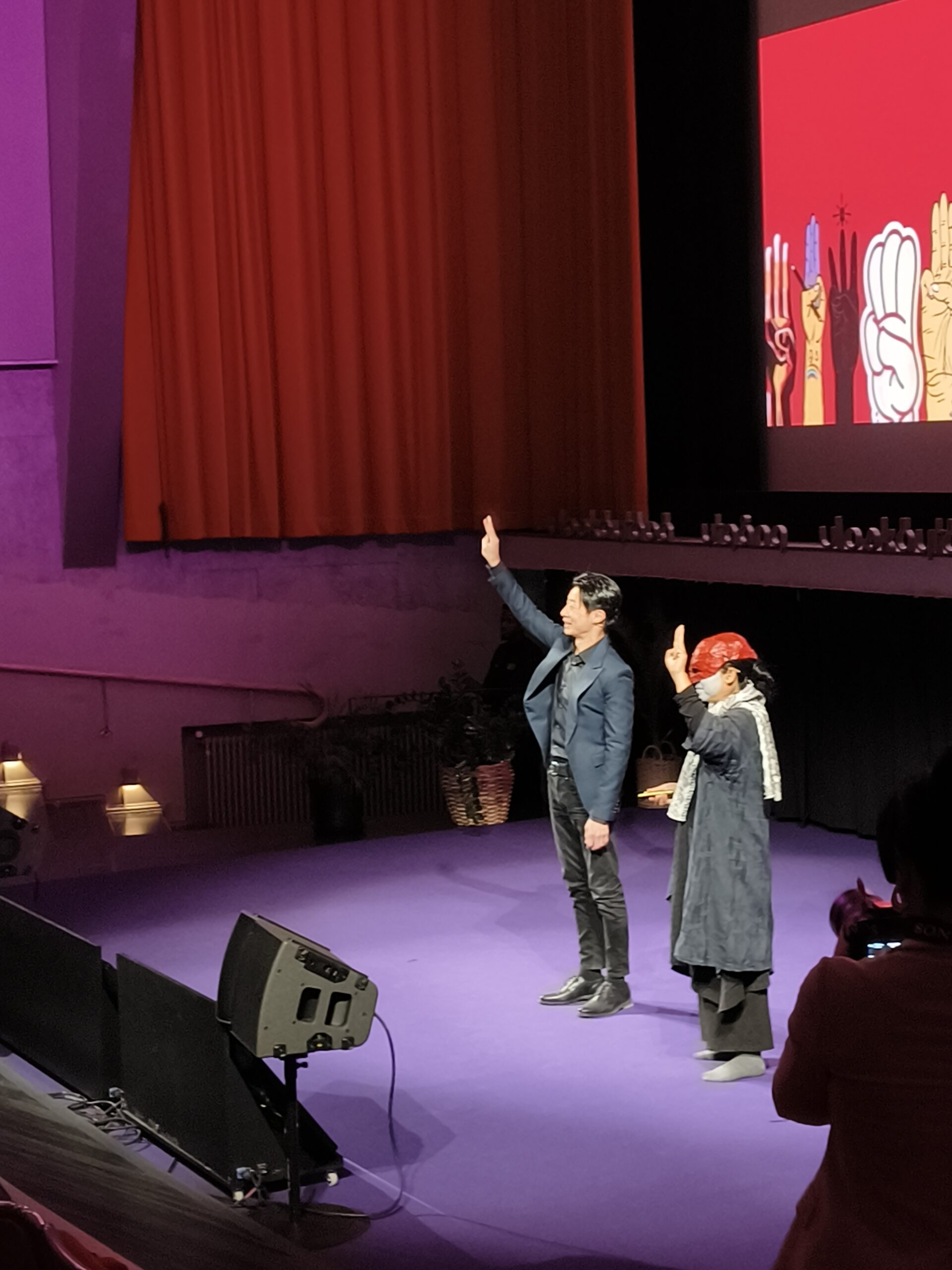
The programme at the Maailma kylässä festival has just come to an end, and two of its performers — Myanmar-born artist May and Taiwanese musician-diplomat Freddy Lim — are discussing what art can do when democracy can no longer hold society together.
According to May, in Myanmar art is not merely culture or entertainment. It is a way to learn, understand, and survive.
“In Myanmar, education is limited. Not everyone has access to comprehensive schooling, and many people have significant gaps in knowledge. That’s why people have learned to use art as a way of sharing information and learning,” she says.
Staning beside her, Freddy Lim nods.
Known as the lead singer of the metal band CHTHONIC, Lim now serves as a diplomat at Taiwan’s representative office in Finland. Even so, he still describes himself first and foremost as an artist.
“Art can break down polarization and broaden discussion in a gentle way. An artist doesn’t force anyone to think in a certain way, but helps people understand one another,” Lim says.
Art Speaks About What Politics Leaves Unsaid
Taiwan is widely regarded as one of Asia’s strongest democracies. Lim believes art has also played an important role in the country’s democratic development.
“Artists talk about things that would otherwise remain unspoken. They help people see and feel realities that news headlines alone cannot capture.”
Sama näkyy Myanmarissa, jossa taiteella on pitkään ollut erityinen merkitys yhteiskunnallisen keskustelun välineenä. Kun sananvapautta rajoitetaan, kulttuurista tulee tapa kiertää pelkoa ja sensuuria.
According to May, art reaches people precisely because it does not require an advanced understanding of politics beforehand.
“It’s not about studying international politics for hours. People often find a reason to care through emotion.”
Democracy Begins With Human Connection
Many Finns would like to support democracy and human rights around the world, but often feel the issues are distant or complicated. In Lim’s view, participation can begin much smaller than people usually imagine.
“Do you have time for good music, a video, or art? When you enjoy it, you also find yourself connecting with the people behind those works.”
Sekä May että Lim kannustavat osallistumaan tapahtumiin, tutustumaan järjestöihin ja hakeutumaan tilanteisiin, joissa kohtaa uusia näkökulmia.
Both May and Lim encourage people to attend events, get to know organizations, and seek out situations where they encounter new perspectives.
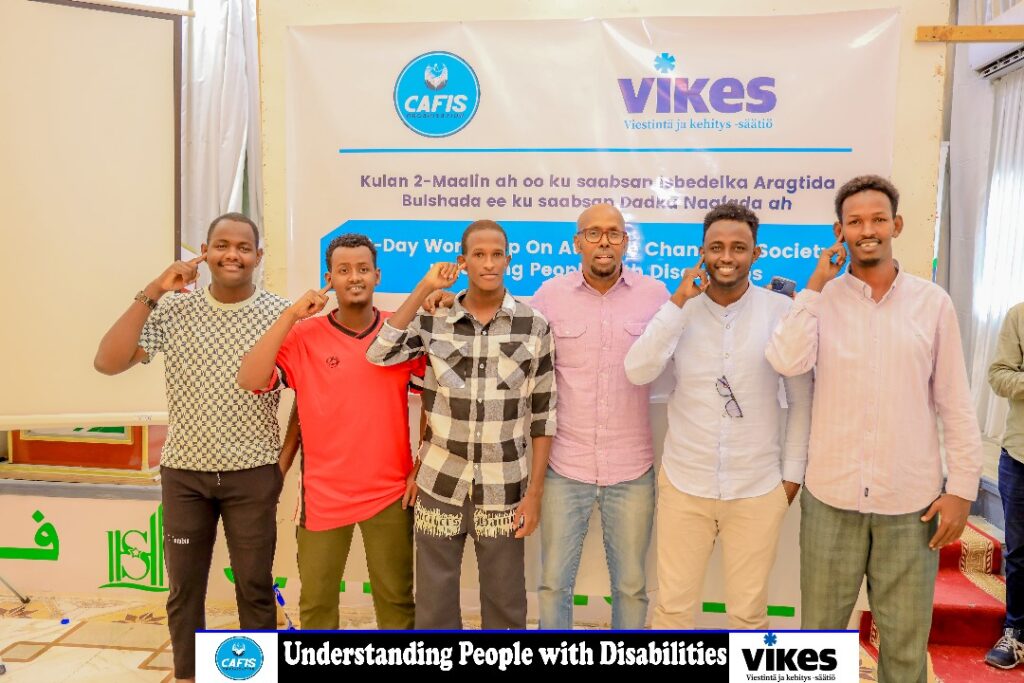
“If you spend time with us, you may begin to better understand what is happening in our countries. Organizations like Vikes build bridges between people,” May says.
She emphasizes that the goal is not to make anyone feel guilty or demand mastery of heavy political terminology.
Lim finishes the thought with a smile:
“And at the same time, it creates more inspiration to make new art.”